

Work |
Mohawk | Daltile Toronto Showroom
Toronto, Ontario
A commercial showroom redefined through material health, biophilic strategies, and regenerative design.
McLennan Design was selected to transform an existing commercial floor in Toronto into a dedicated showroom for Mohawk Group and Daltile, bringing a design perspective grounded in material health, transparency, and regenerative thinking.
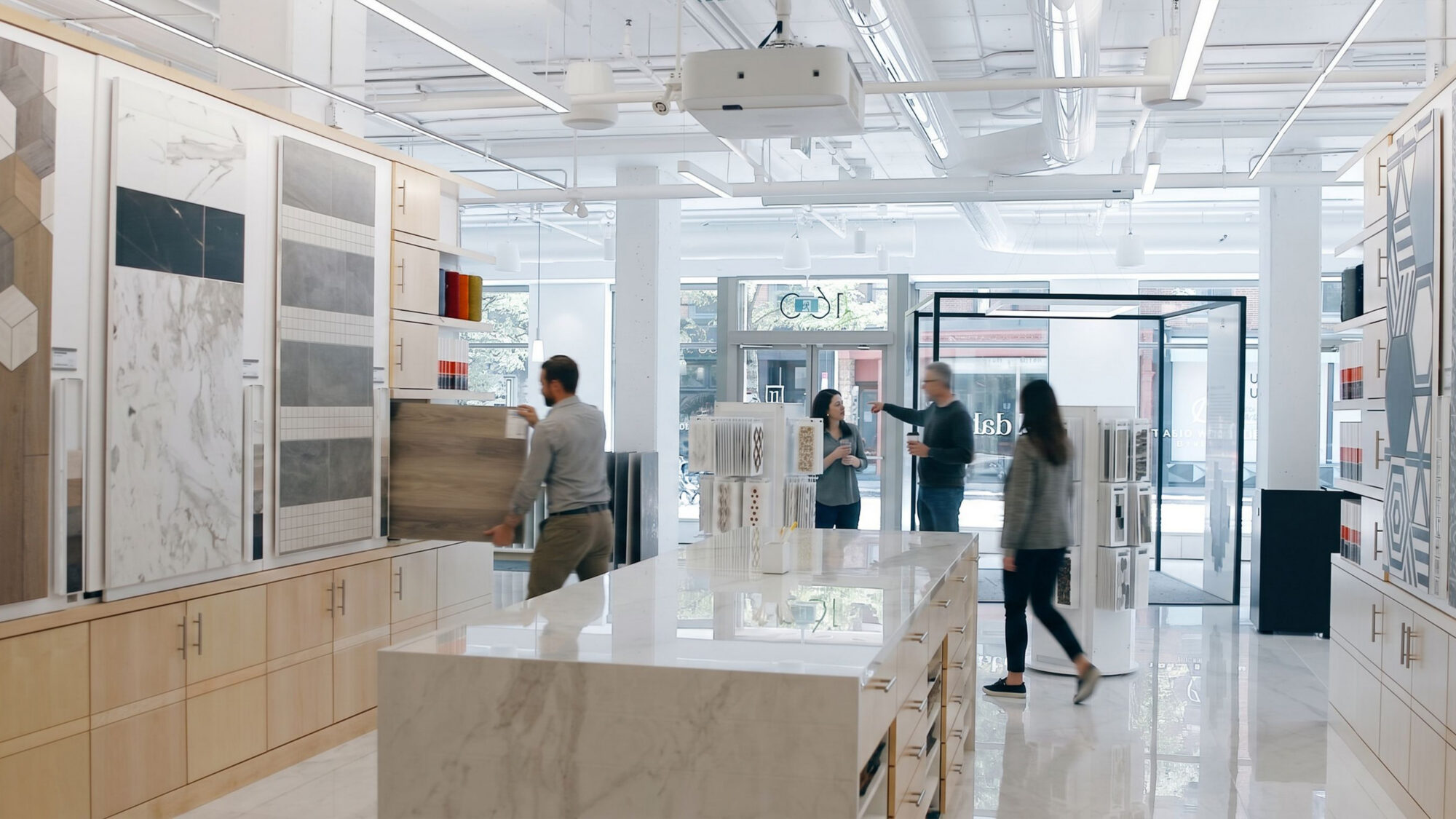
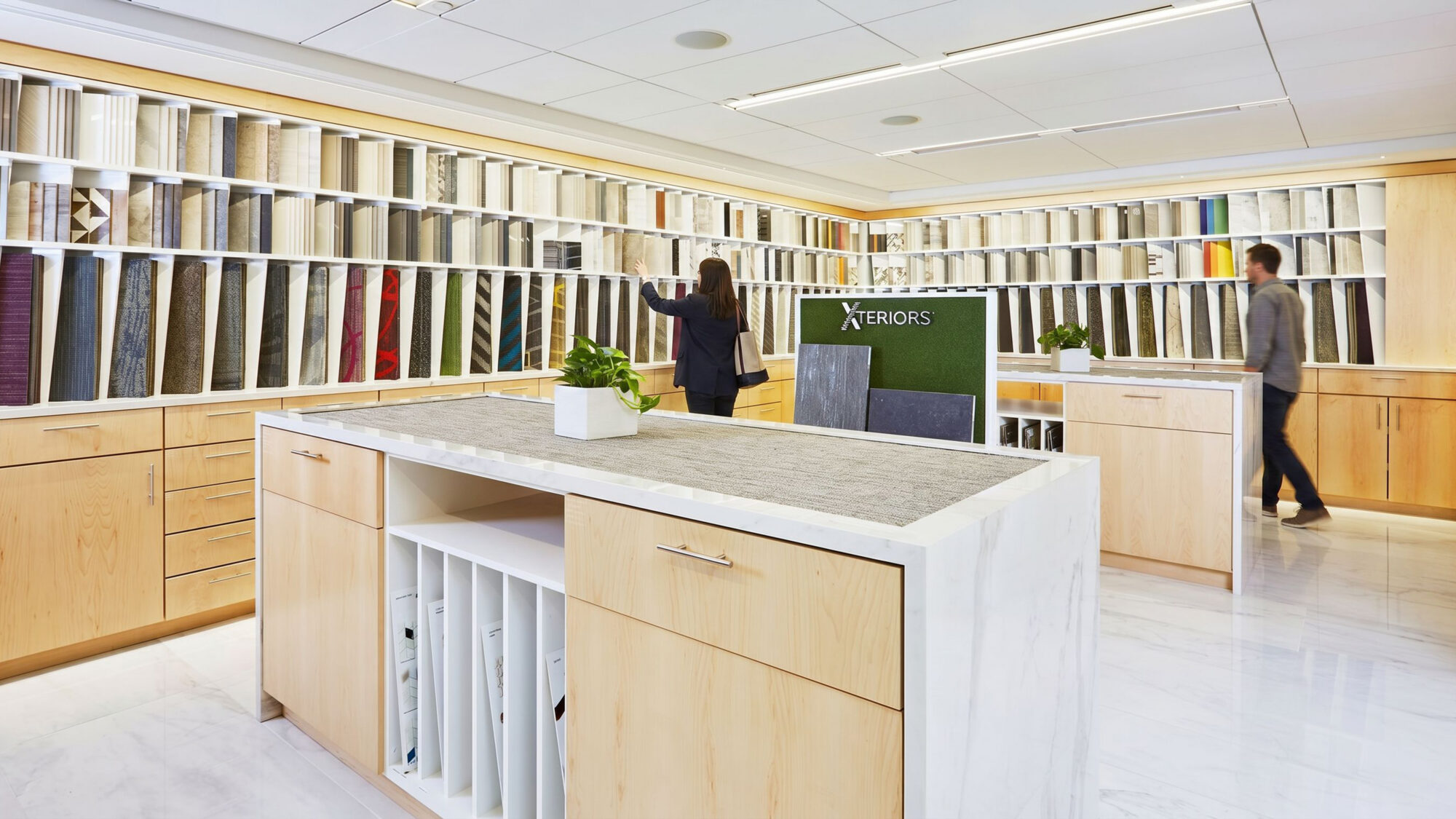
Working within the constraints of the existing building, the project repositions the interior as a high-performance showroom environment. The design prioritizes adaptive reuse, material salvage, and the specification of products with verified environmental and health disclosures, establishing a clear link between design intent and material accountability.
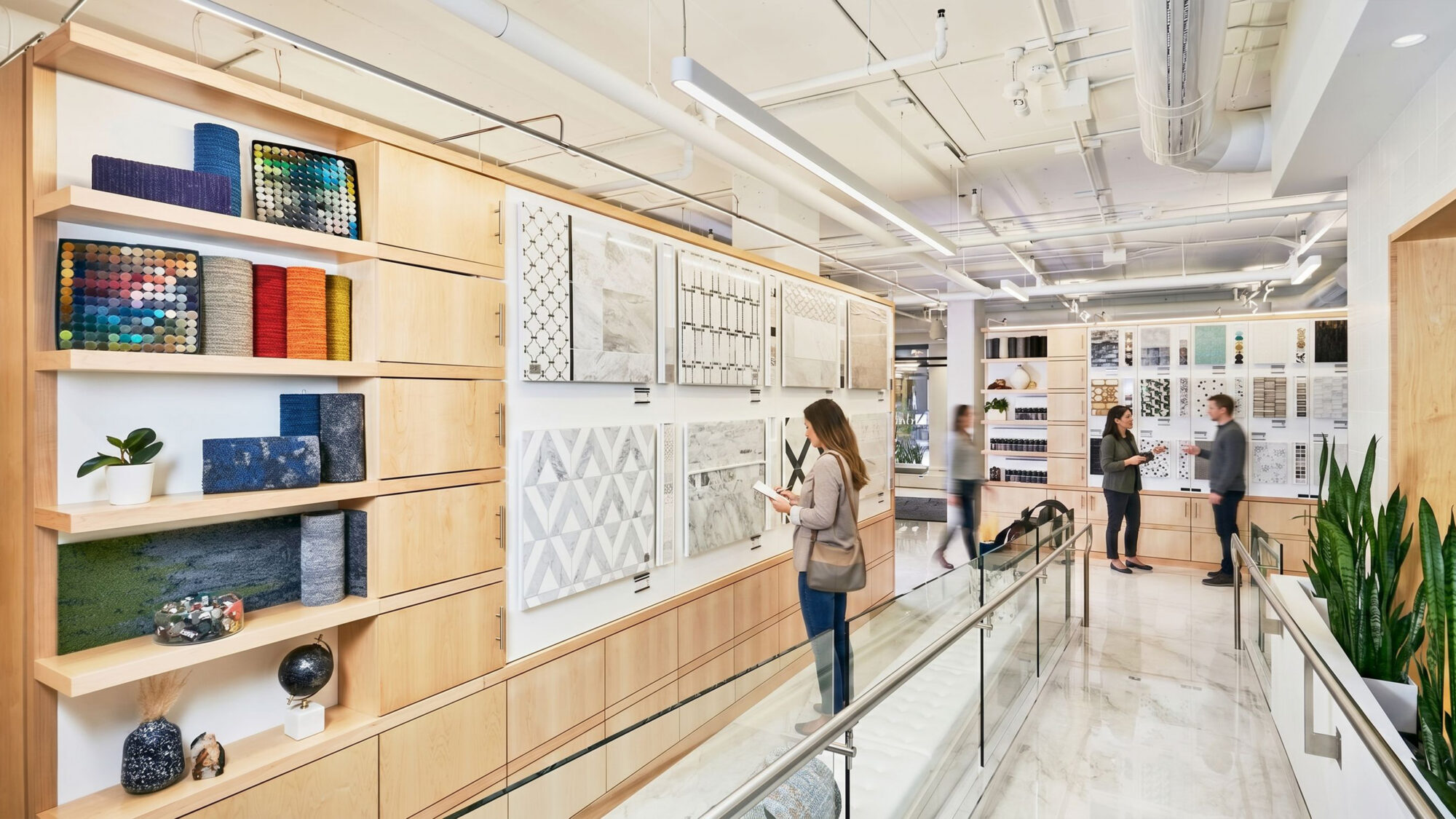
Natural light, biophilic strategies, and material clarity are integrated throughout to support both occupant experience and product expression. The result is a showroom that functions as both a commercial environment and a demonstration of responsible material practice.
The completed project achieved both Living Building Challenge Materials Petal Certification and WELL Certification, and is recognized as among the first commercial showroom environments globally to achieve both distinctions.
Mohawk Group + Daltile
Lead Architect
Toronto, Ontario
5,041 SF
2019
Mixedwood Plains Ecozone
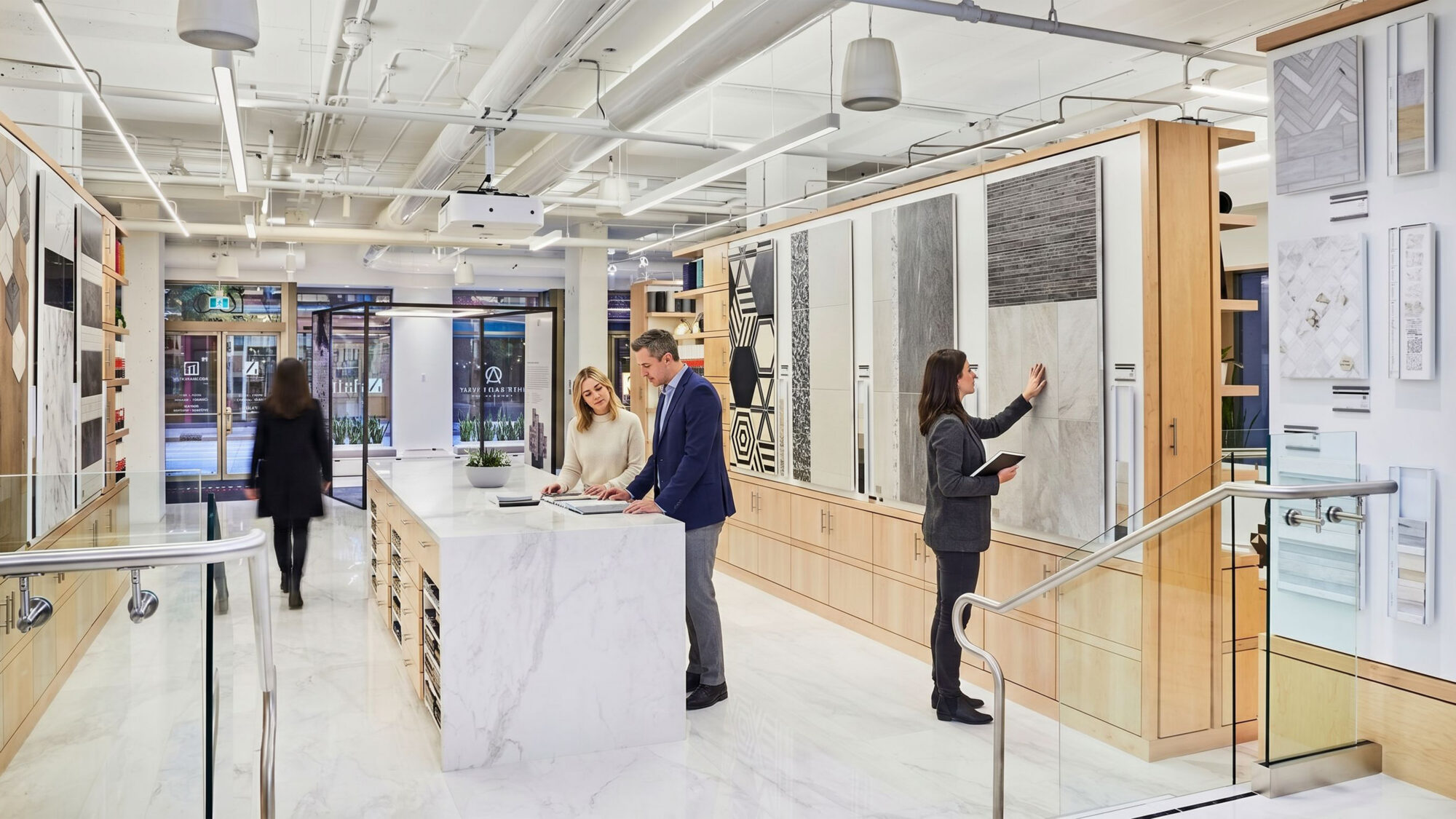

Regenerative Design in Action
From careful deconstruction to high-performance systems, the showroom demonstrates that sustainable design can be beautiful, functional, and inspiring. Every decision balances ecological responsibility, human health, and operational performance.
Key Sustainability Measures & Impacts:
-
Adaptive Reuse & Deconstruction: Salvaged materials from demolition were reused, reducing waste and embodied carbon.
-
100% Red-List Free & Declare-Labeled Materials: All surfaces and finishes were selected for material health, transparency, and regenerative impact.
-
Low-Impact Materials: Recycled metals and certified wood prioritized to minimize environmental footprint.
-
Energy Efficiency: Heat pumps and heat recovery ventilators improve indoor air quality and reduce energy use.
-
Local Sourcing: Regional materials and labor reduced embodied carbon and supported the local economy.
-
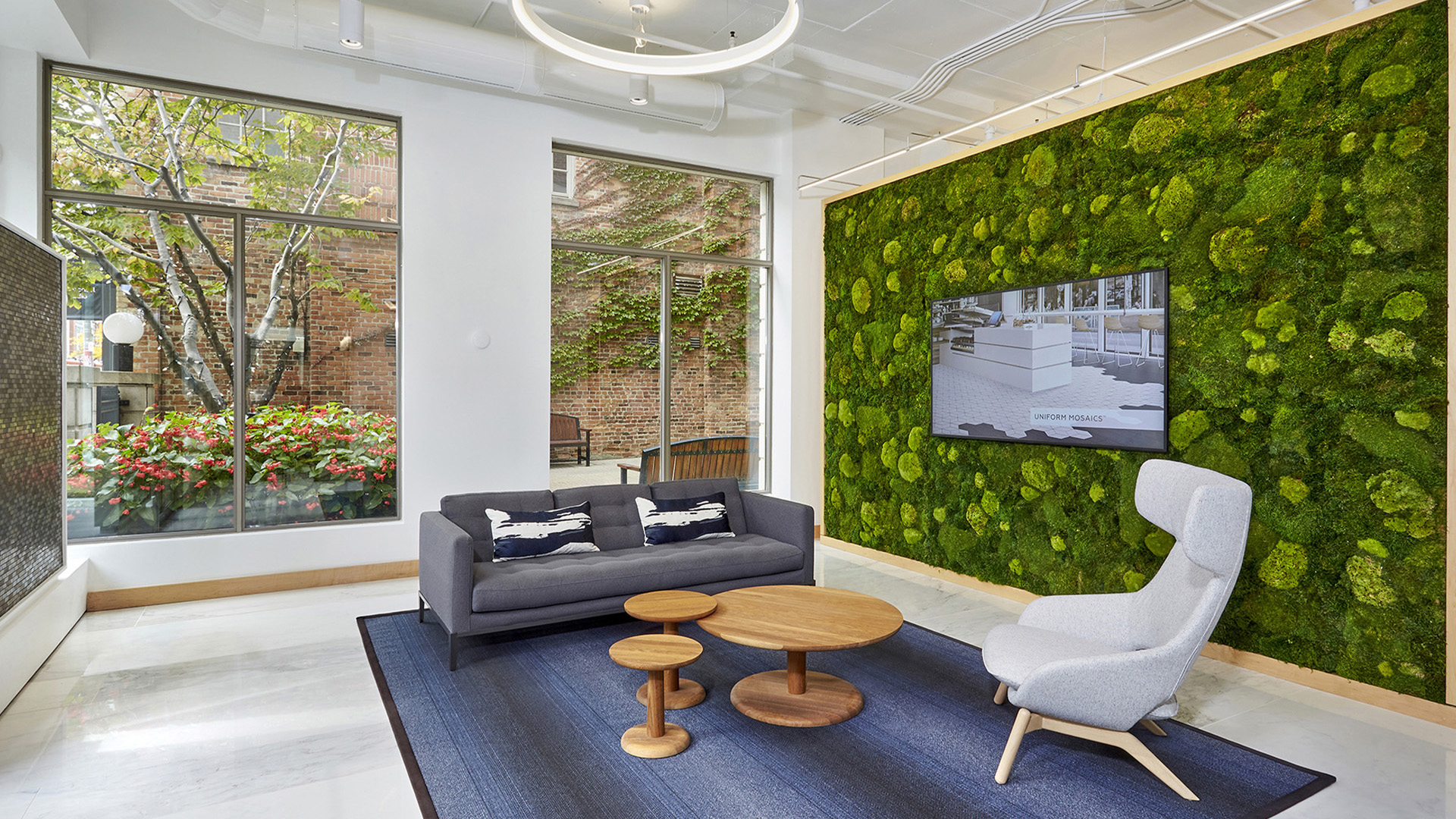
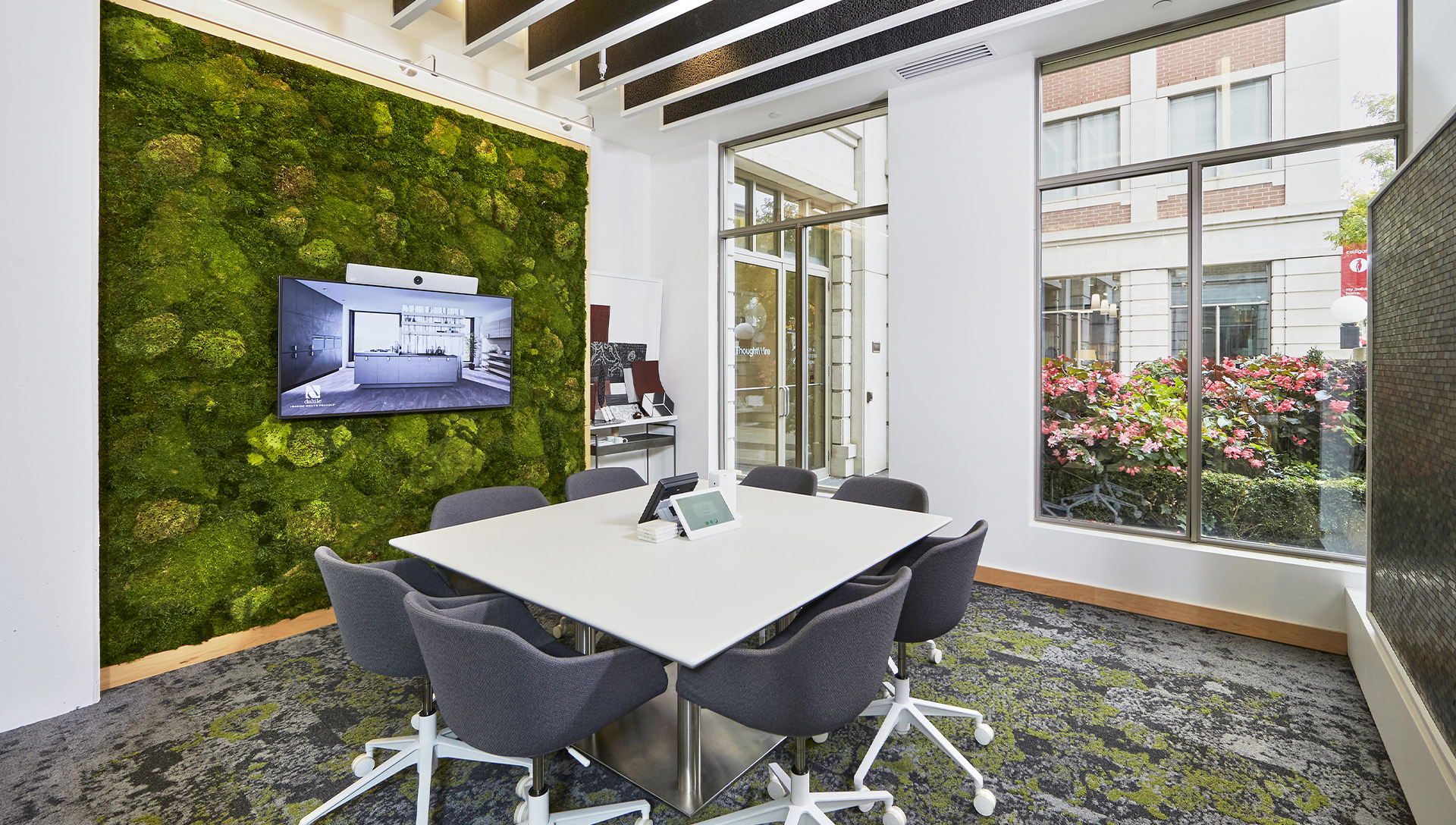
Biophilic Design Integration: Moss walls, living planters, and daylighting enhance occupant well-being and connection to nature.
-
Waste Management: Construction waste was carefully sorted and diverted from landfills, achieving high recycling rates.
-
Certifications: Achieved Living Building Challenge Materials Petal Certification and WELL Building Certification.
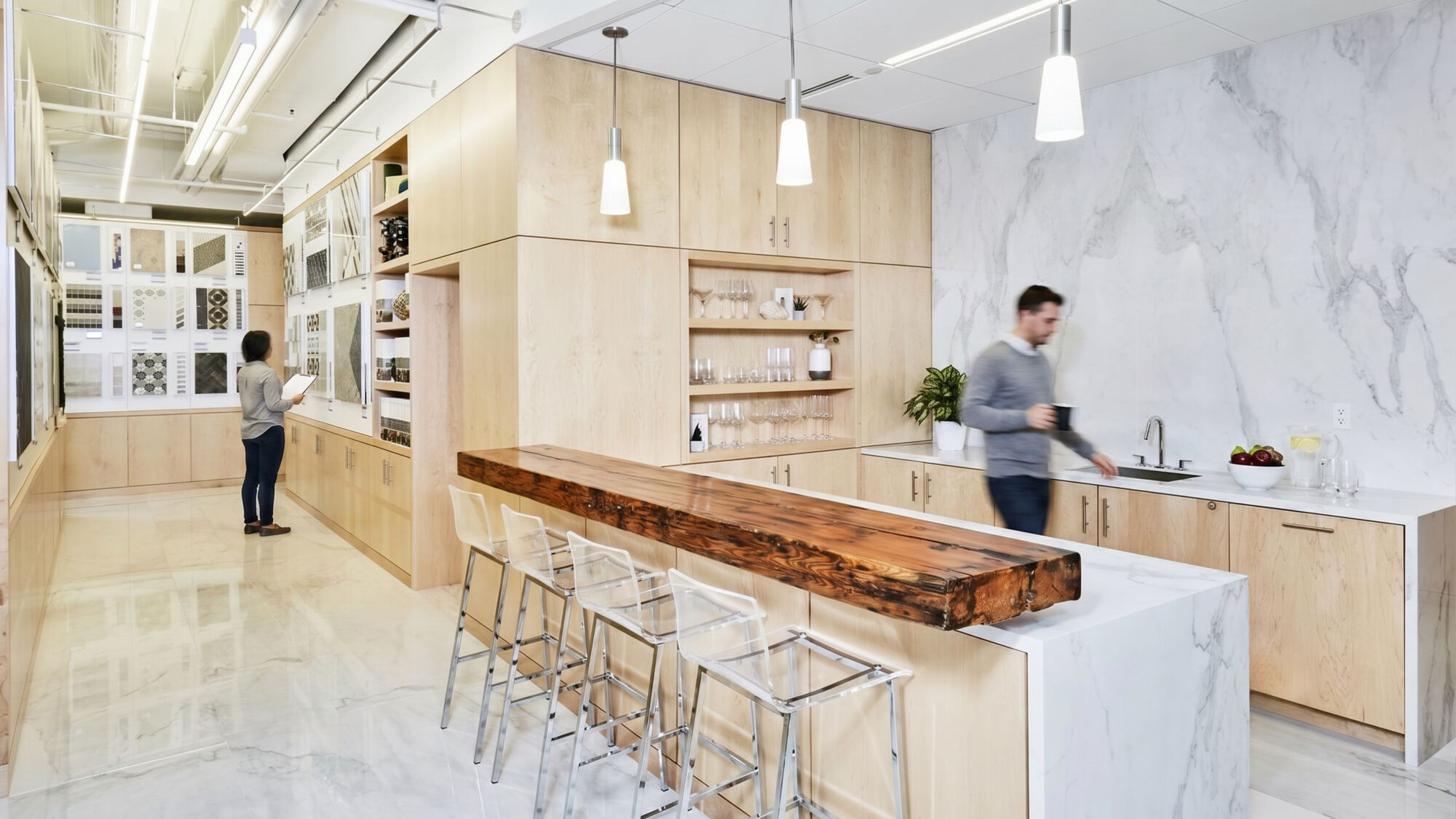
Mohawk_1920x1290_hero

The showroom brings nature into an existing urban interior through daylight, living plant systems, and natural materials. Integrated planters and moss walls introduce texture and visual connection to the outdoors, while a warm, biophilic palette enhances comfort and well-being. Together, these elements create a welcoming environment that elevates the customer experience and reinforces the project’s commitment to sustainability.
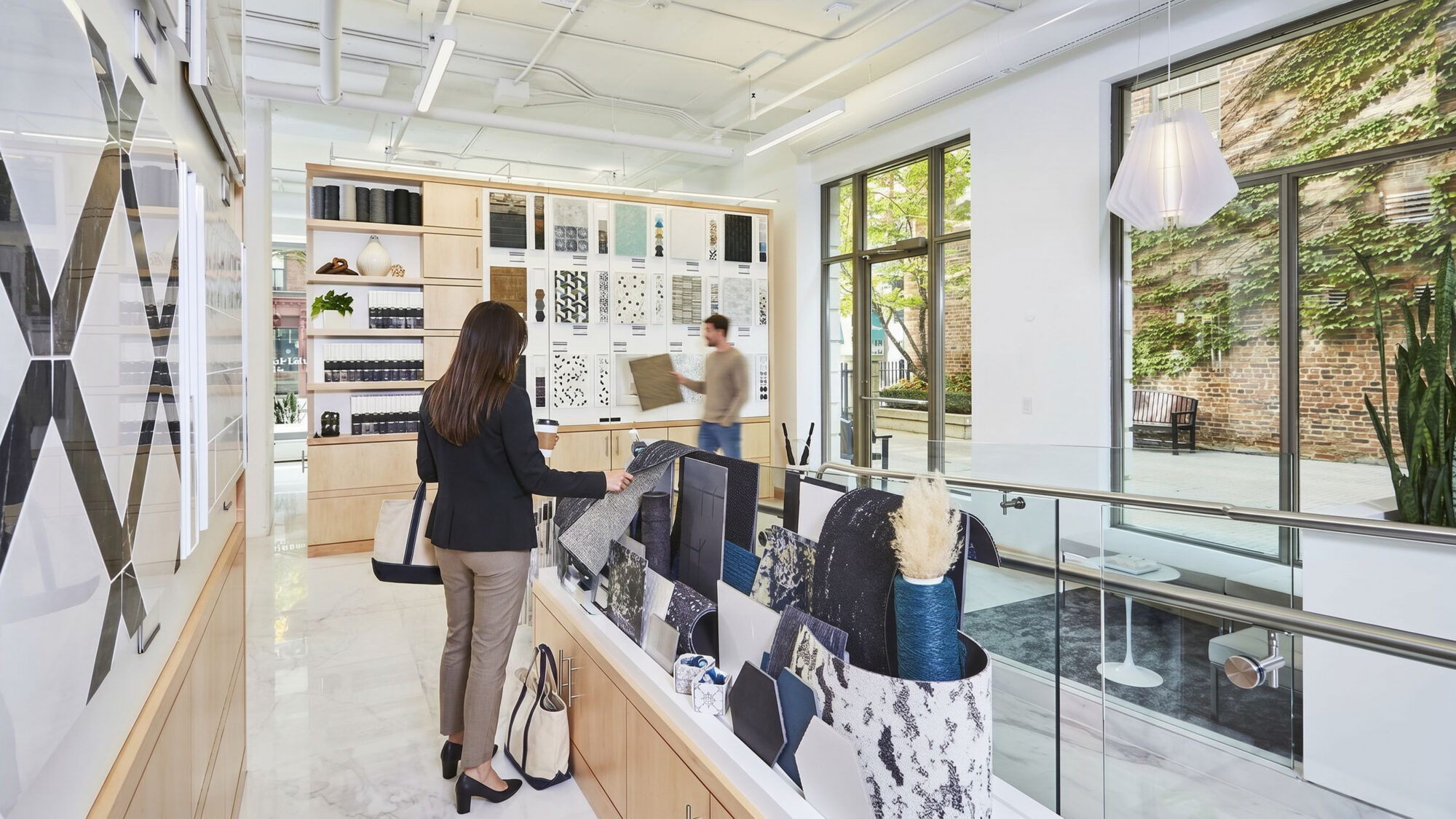

The Mohawk + Daltile Toronto Showroom stands among the first commercial interiors in the world to achieve Living Building Challenge certification.
This pioneering adaptive reuse project demonstrates that showrooms can be beautiful, human-centered, and fully regenerative—proof that sustainable design is not a limitation, but a bold opportunity to lead, inspire, and elevate industry standards.
Why This Matters
A Blueprint for Regenerative Reuse
Through adaptive reuse and thoughtful material selection, the project demonstrates how an existing commercial interior can be transformed into a healthier, higher-performing environment. By working within the constraints of the existing space, the design reduces waste, minimizes embodied carbon, and prioritizes occupant well-being. The result is a showroom that reflects a commitment to sustainability, material responsibility, and long-term value.
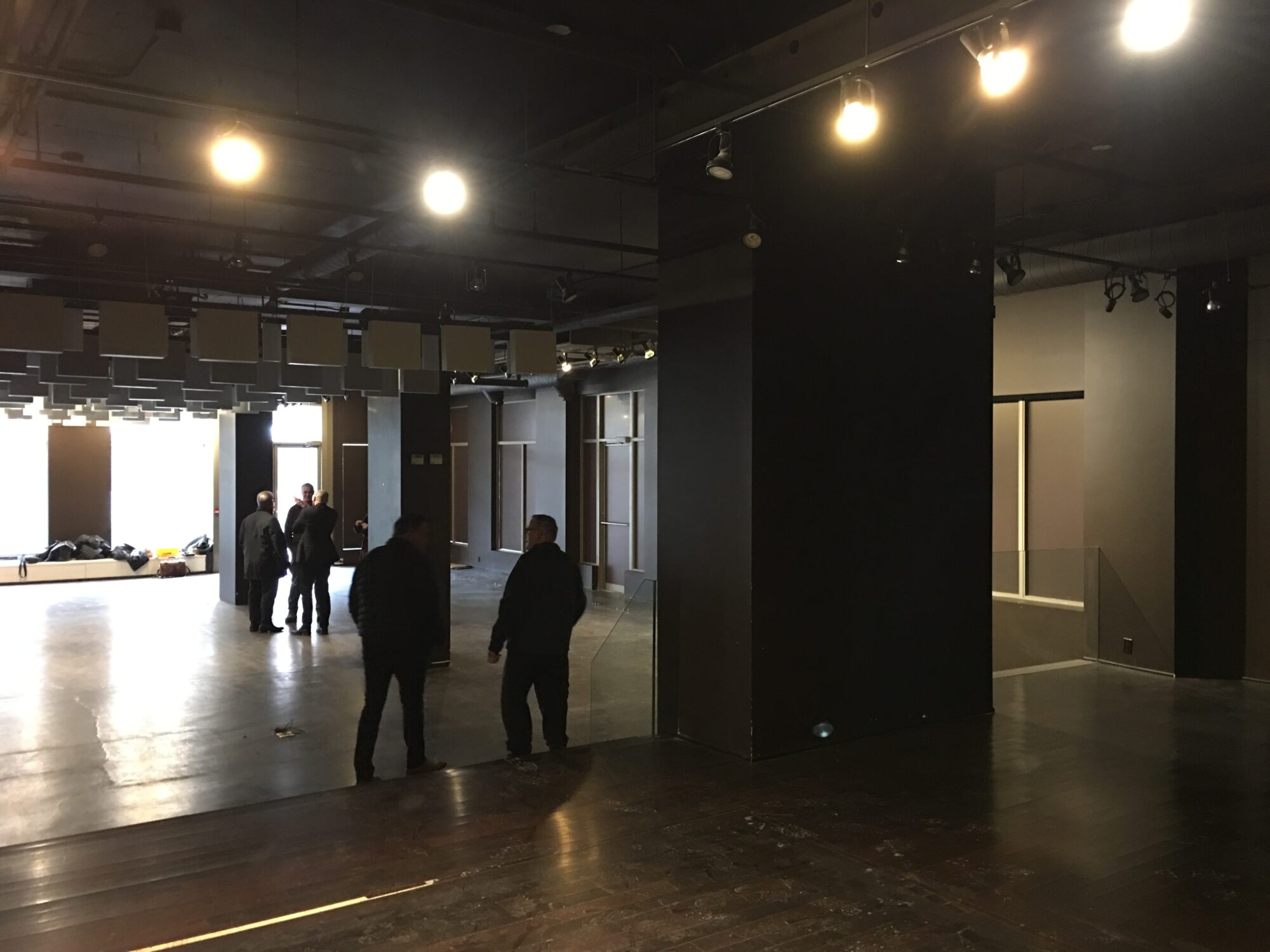
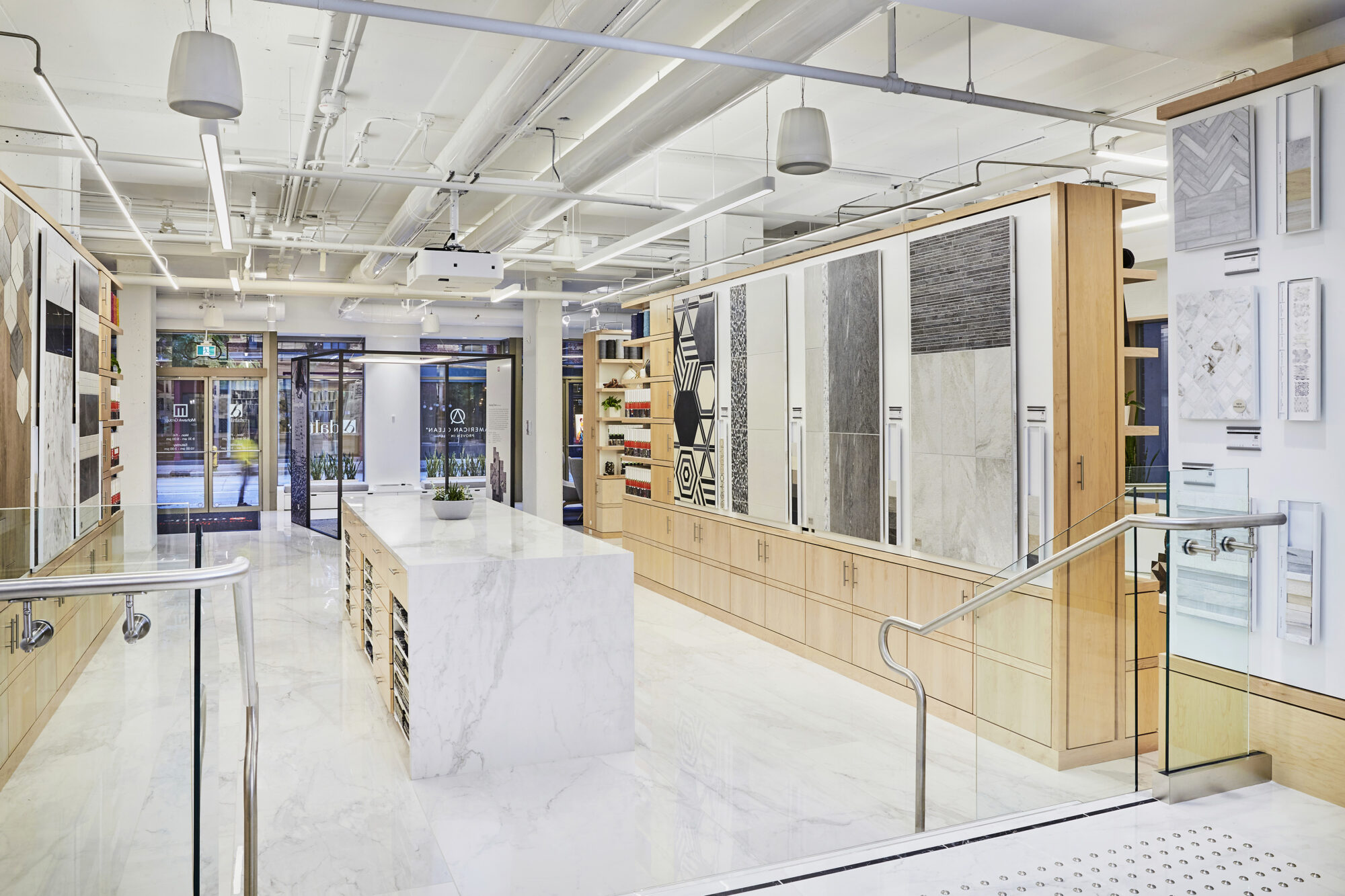
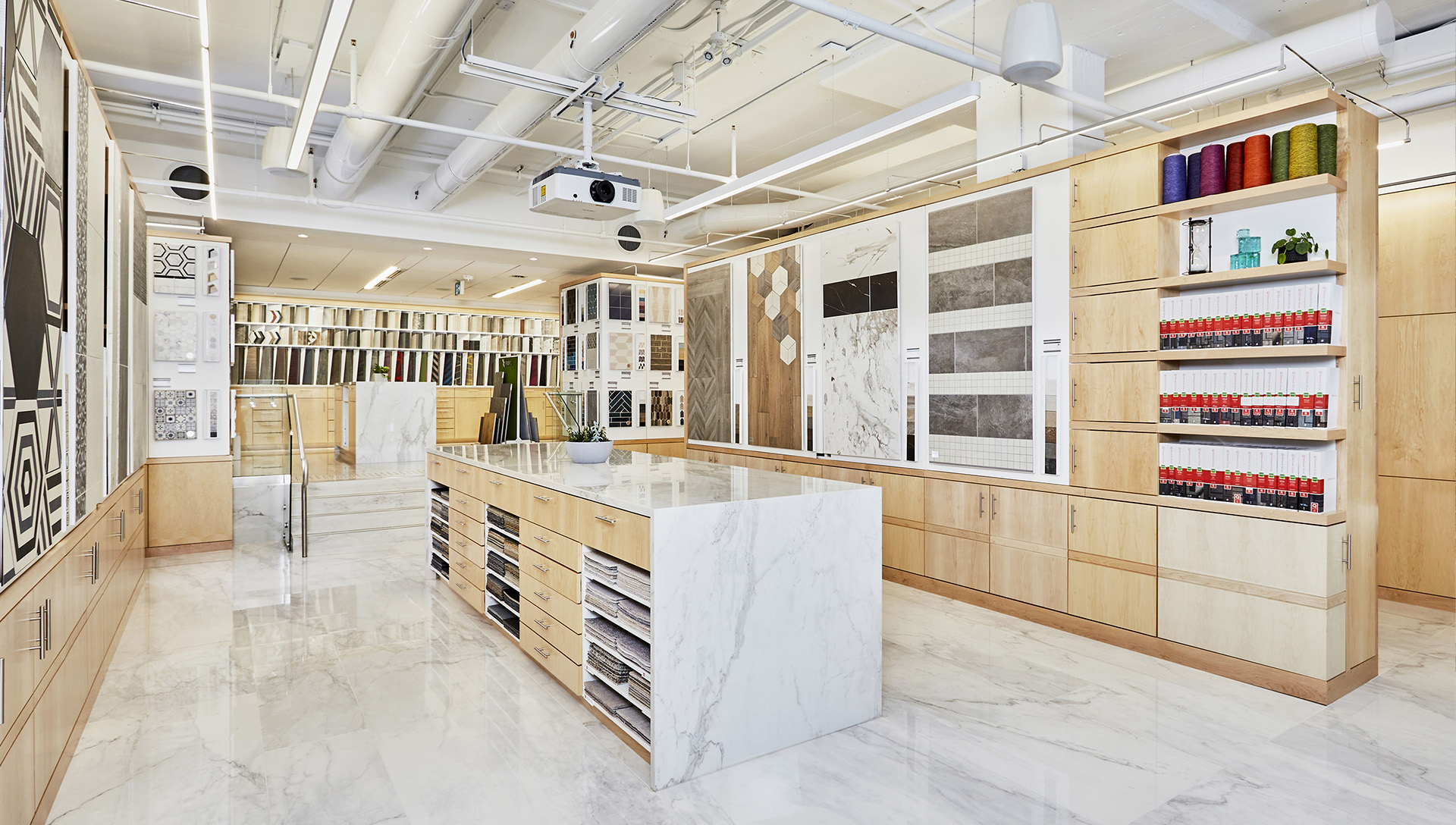
This adaptive reuse project proves that commercial interiors can be regenerative, vibrant, and high-performing.
McLennan Design transforms existing spaces into benchmarks of beauty, health, and human-centered performance. Let us help your next tenant improvement or renovation become a model for innovation, sustainability, and inspiration.


