

Work |
Antioch College Village
Yellow Springs, OH, USA
How can missing-middle housing create affordability, community, aging-in-place, and long-term ecological value—without sacrificing privacy or buildability?
A pioneering co-housing neighborhood designed to strengthen community connection, expand equitable housing options, and demonstrate a regenerative, small-town model for the Midwest. Rooted in Living Building Challenge principles, the project blends attainable homes, shared facilities, and ecological design strategies to cultivate a resilient, people-centered village.
Antioch College
Masterplanning, Architectural Design, Community Engagement
Yellow Springs, OH, USA
67,976 SF
Masterplanning Completed But Project No Longer Going Forward
Eastern Deciduous Forest Region (Ohio Valley)
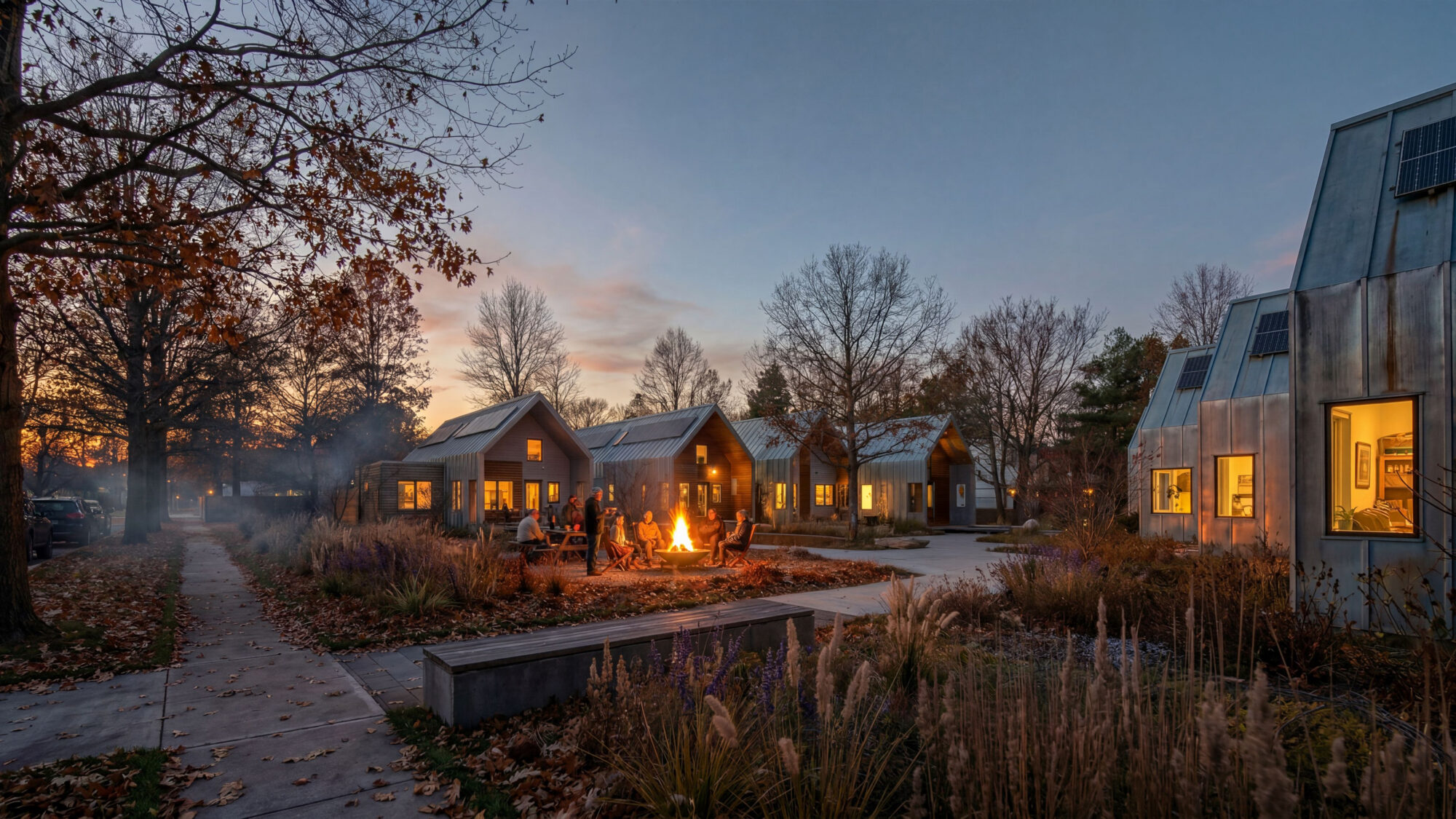
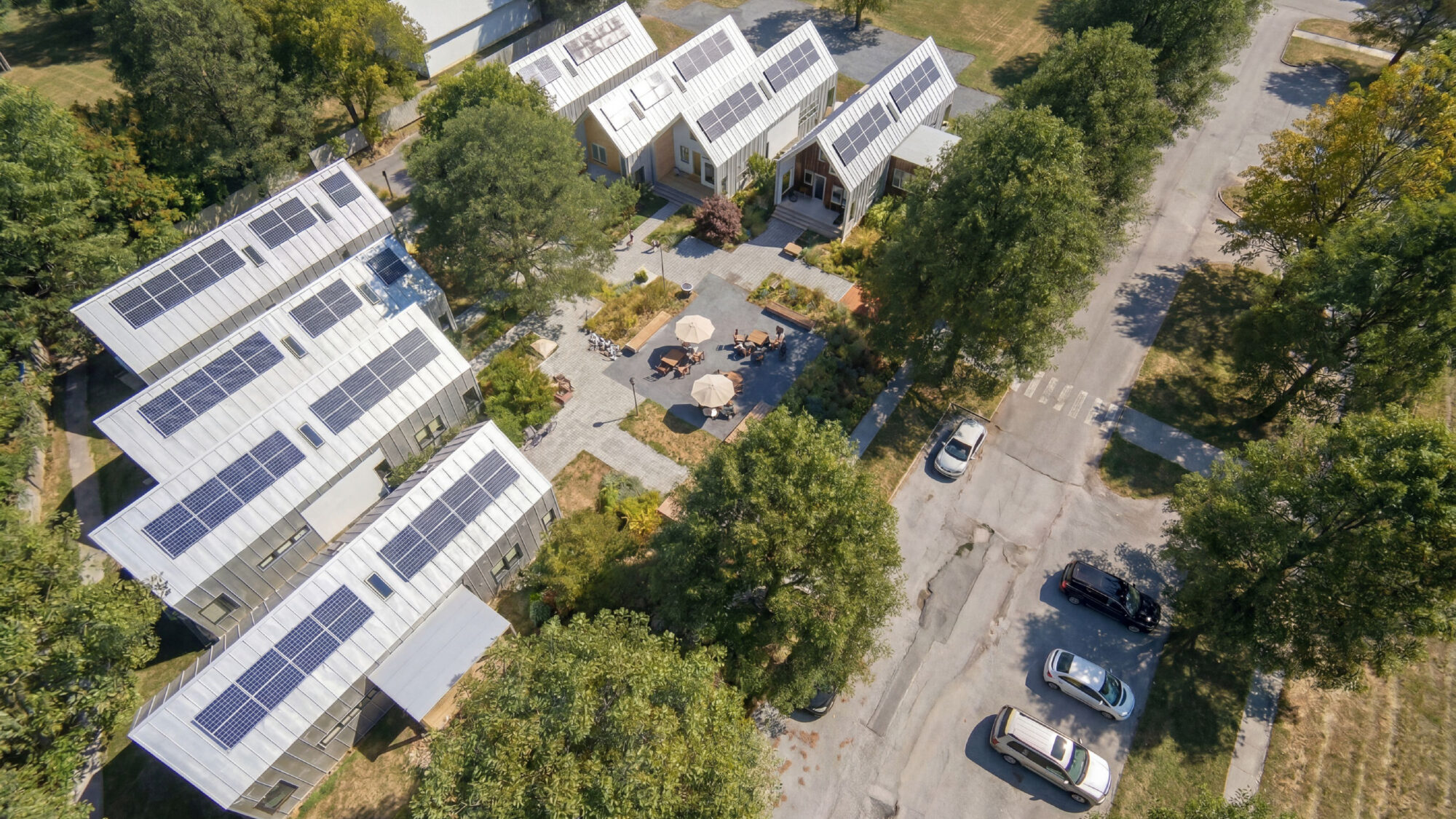

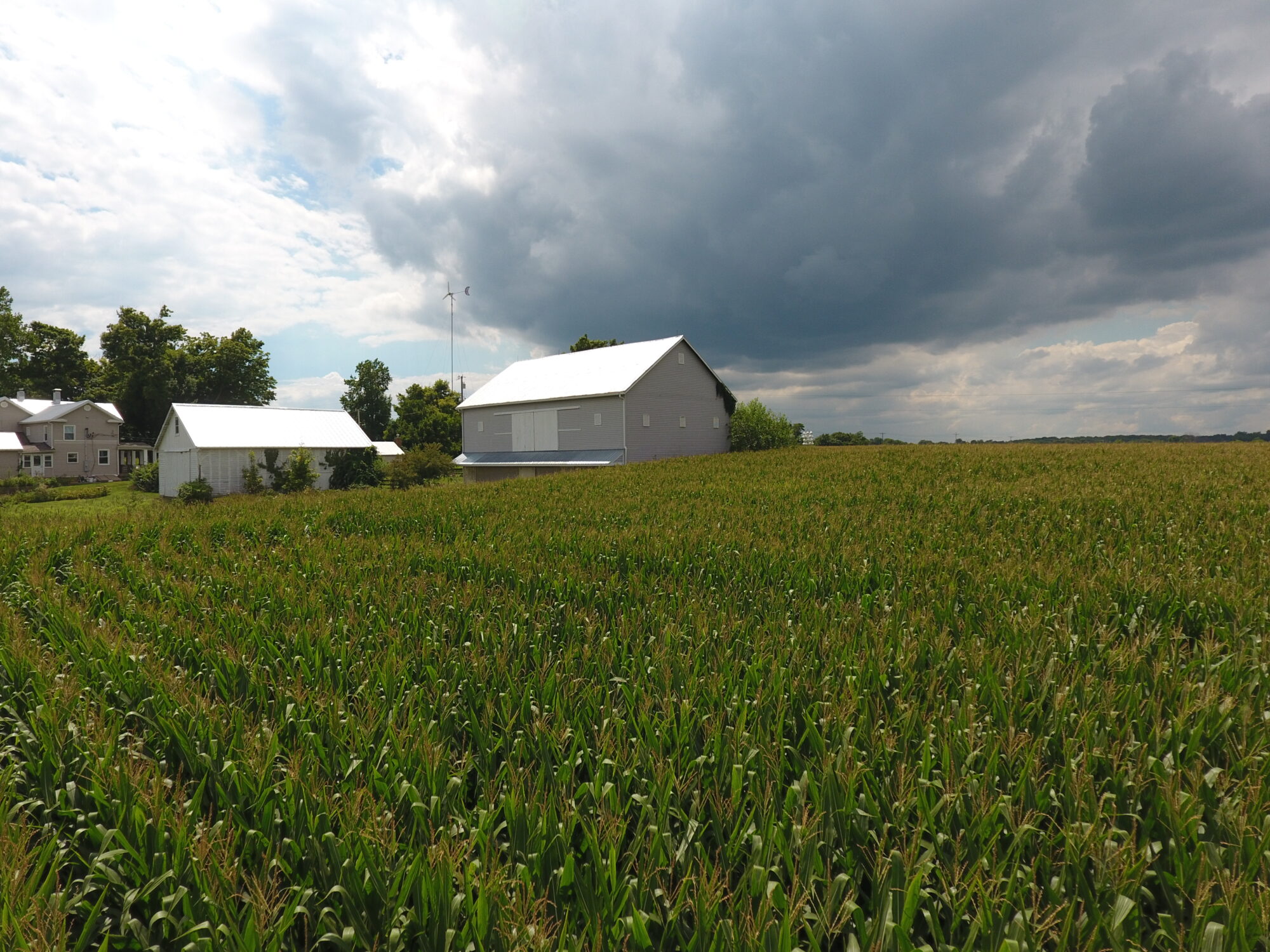

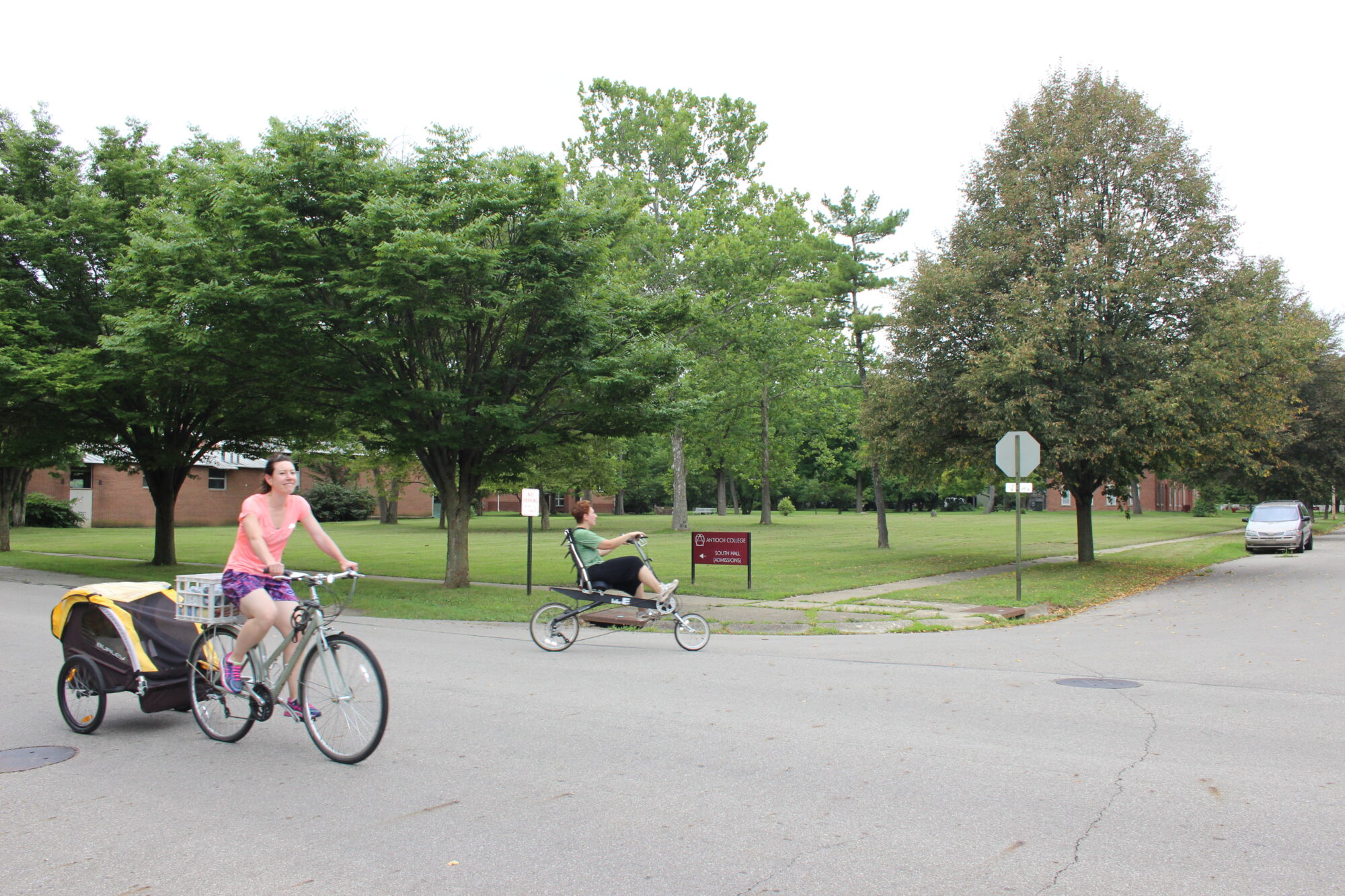
The homes relate to the regional barn vernacular and covered bridges that are common in the heartland region.
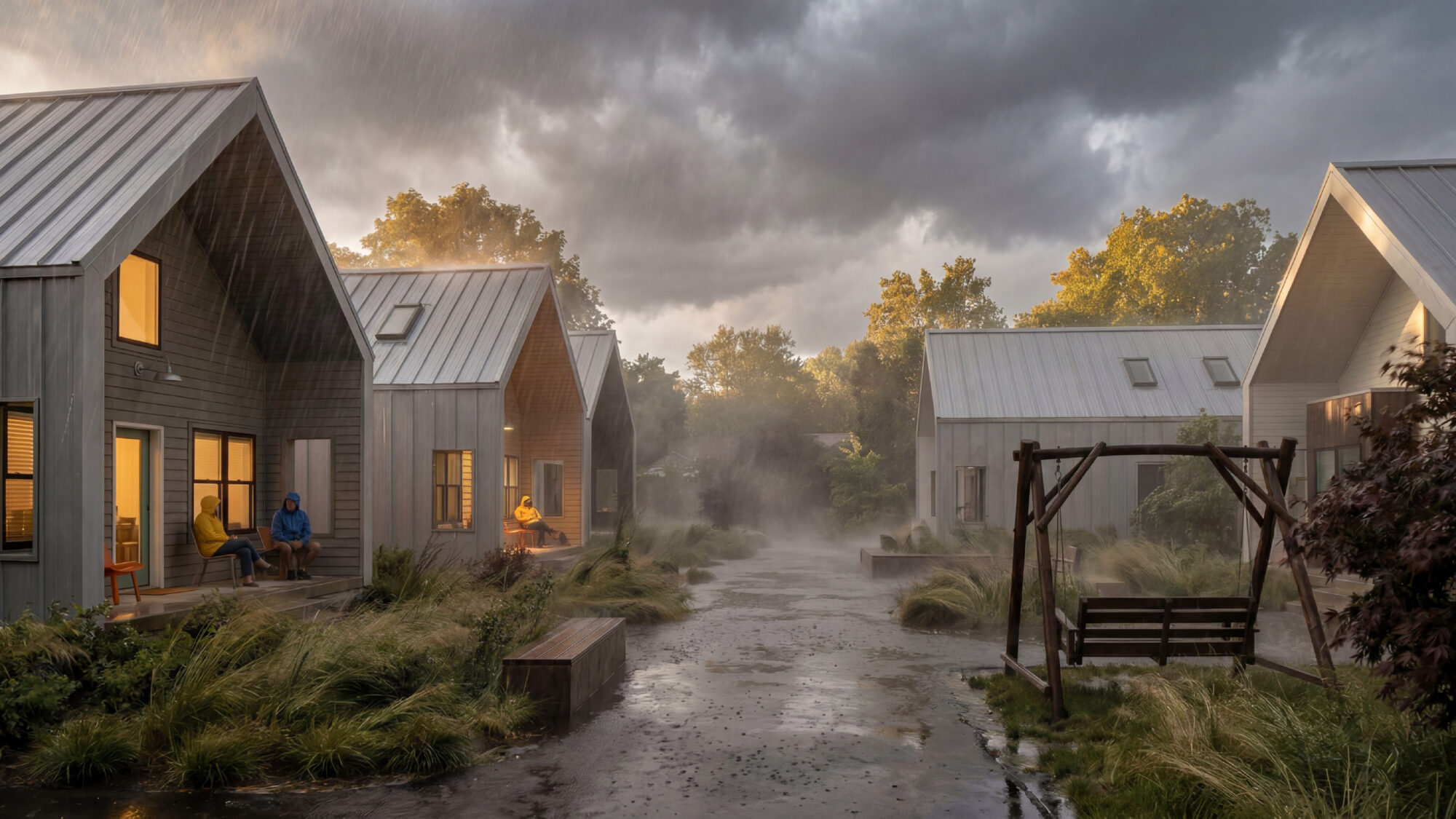
Designed for belonging, privacy, and daily connection.
Shaped through community workshops and charrettes, Antioch College Village balances shared living with personal retreat—using porches, flexible homes, and landscape to foster everyday interaction, comfort, and neighborly life.
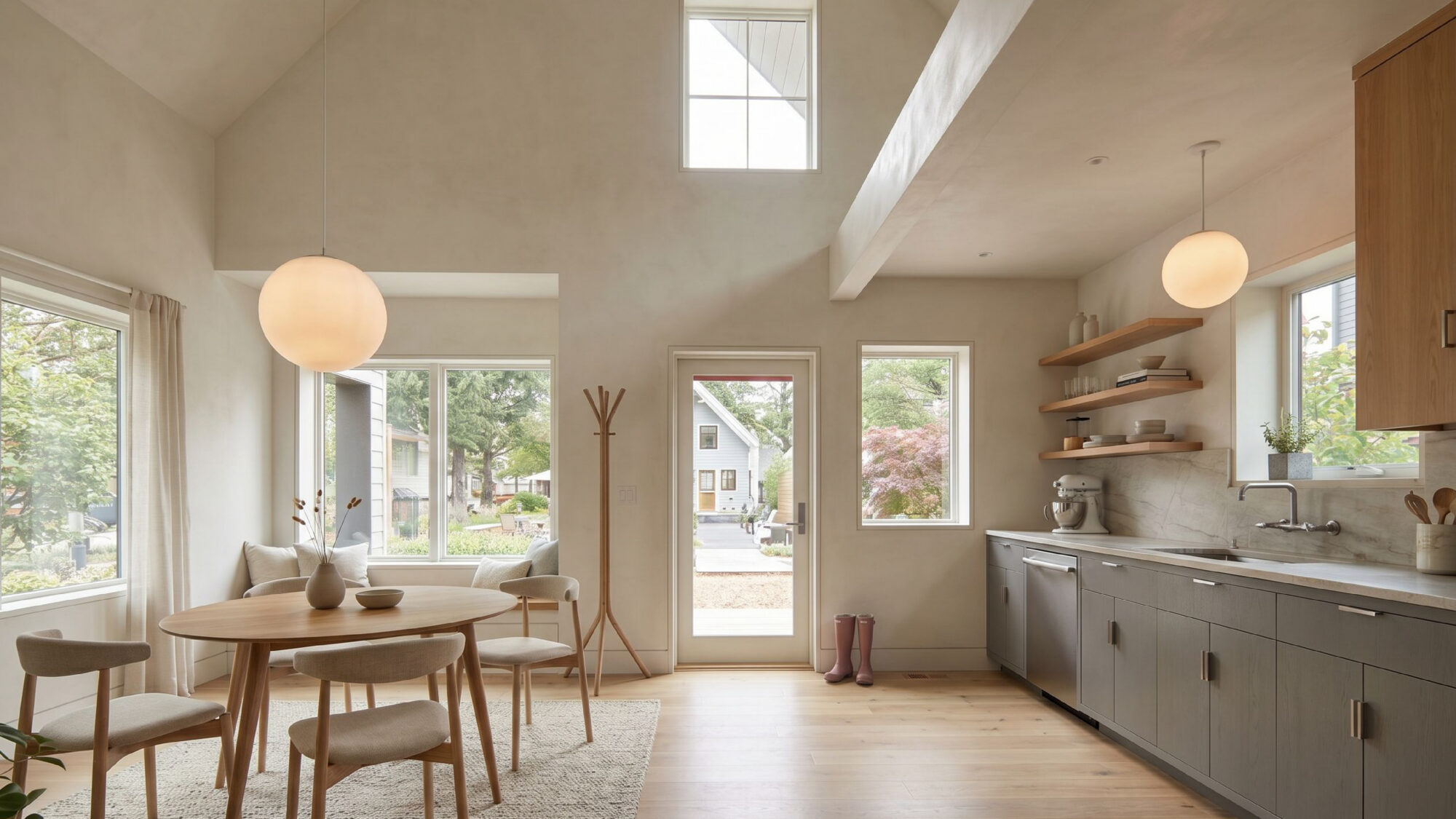
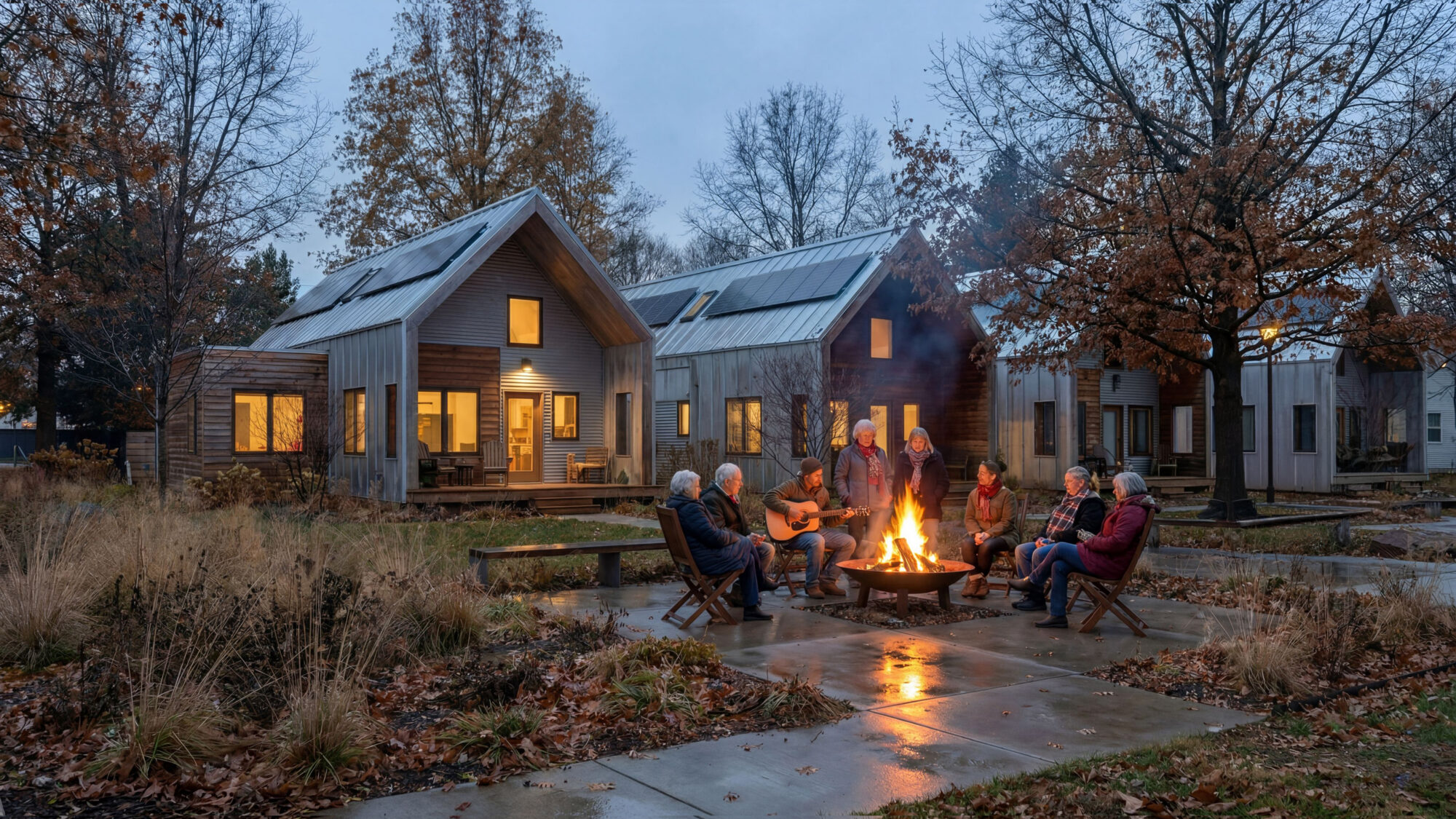
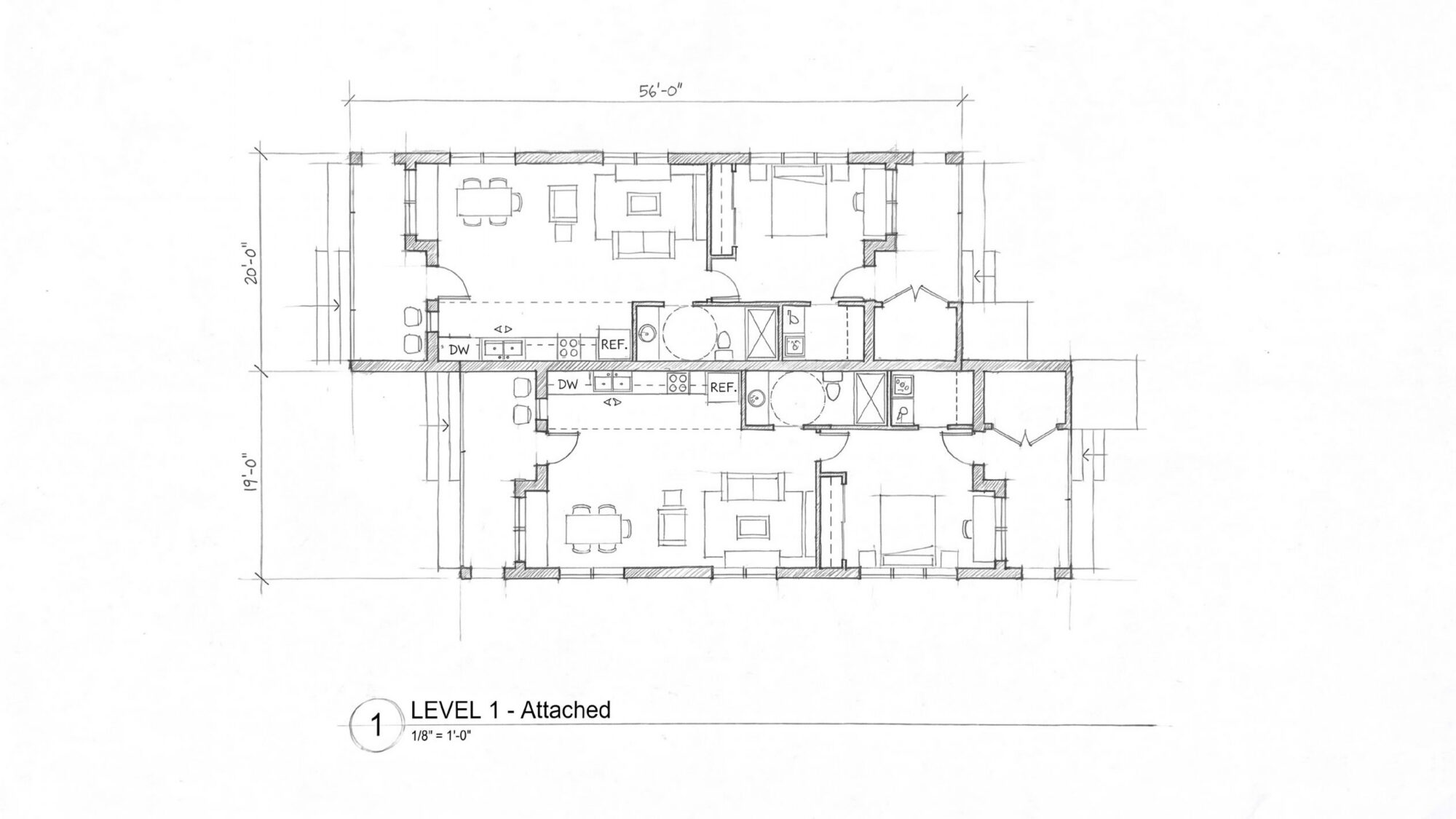
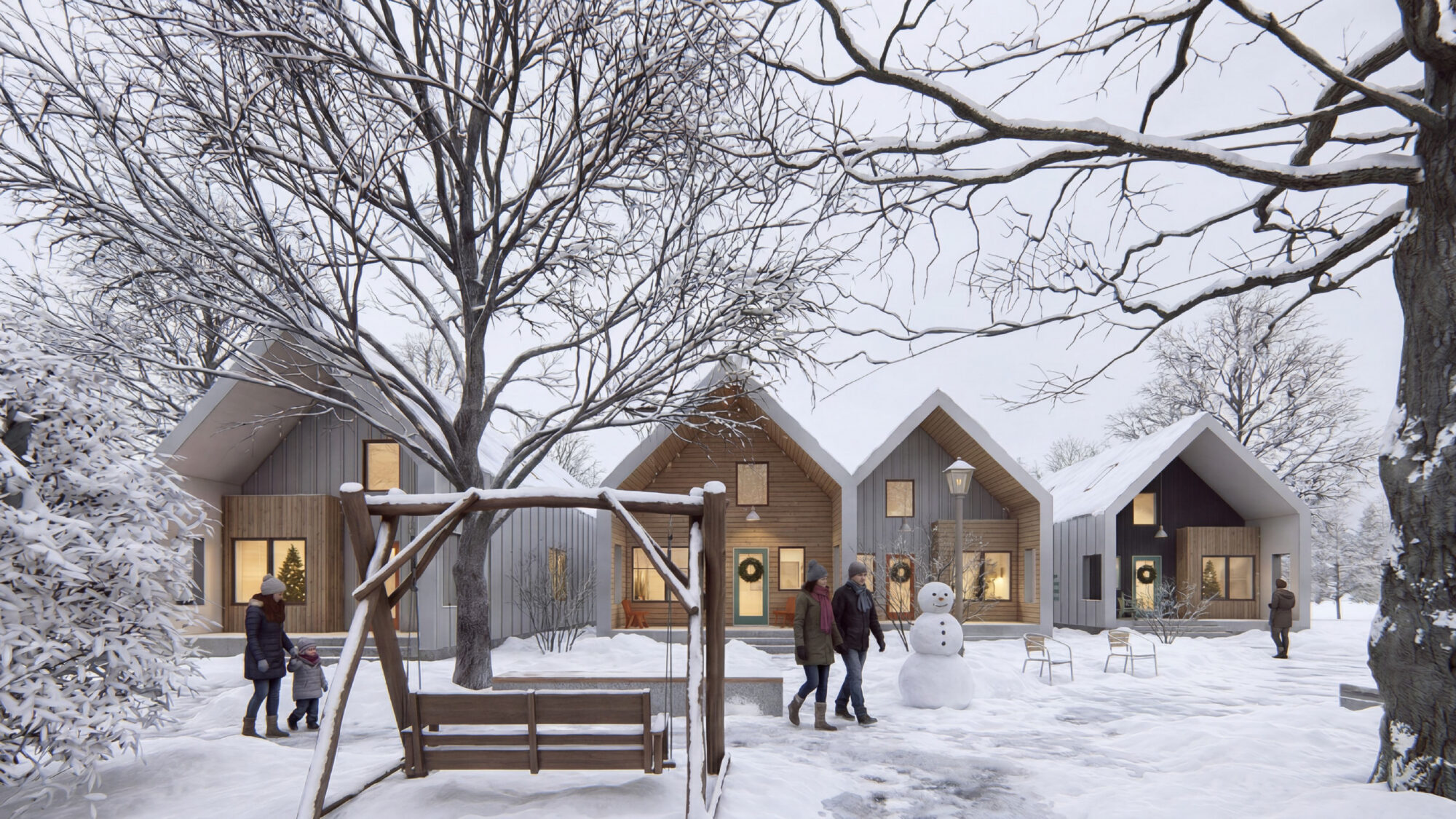
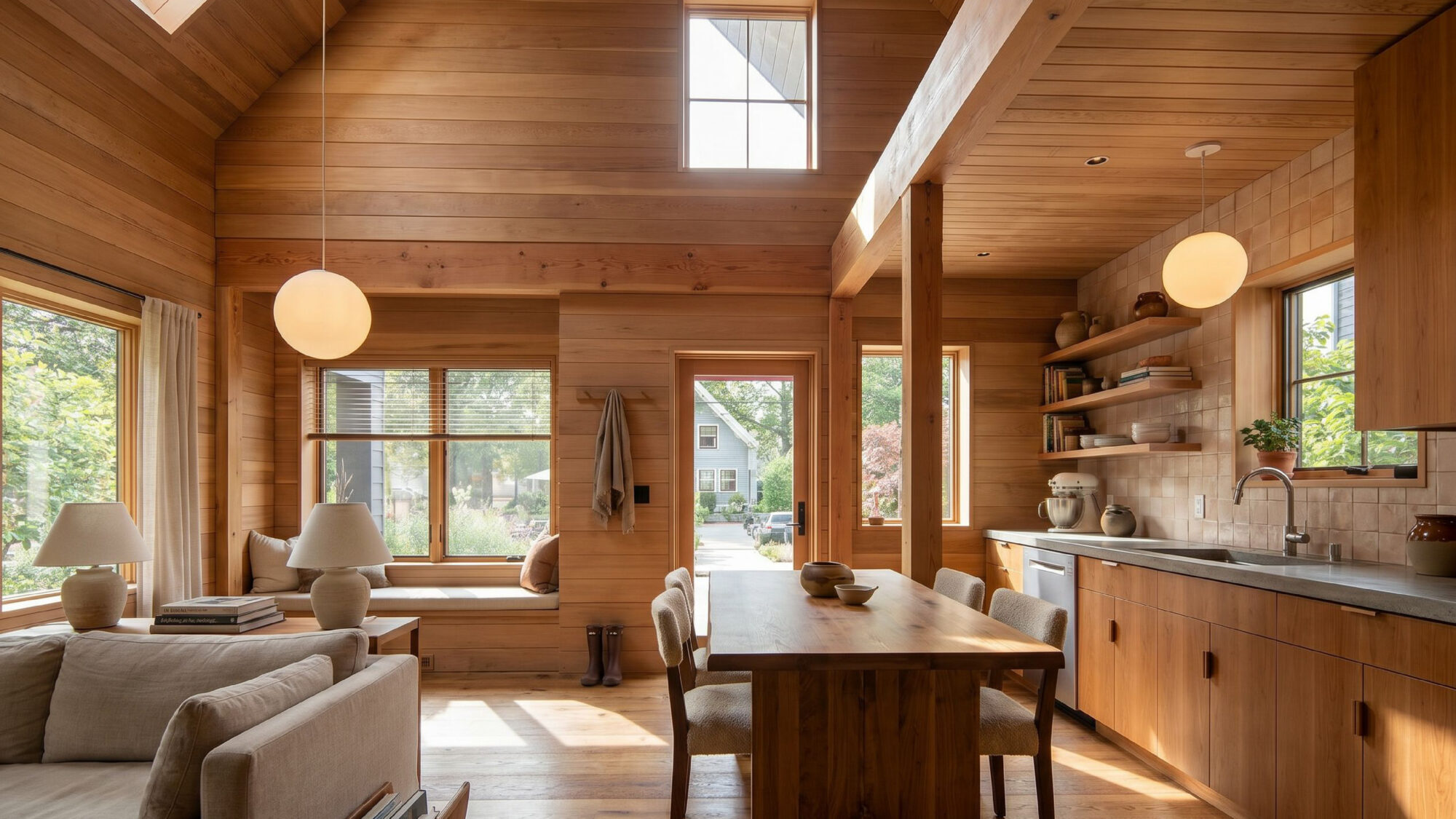
“We are excited that the aesthetic and environmental aspects of the ACV footprint will be leading edge. Our work in higher education … should be focused on developing new and better ways of living and learning … and the ACV project is integral to our efforts.”
President Tom Manley
Antioch College
Key Metrics:
-
Energy: Net-zero-ready homes
-
Water: Rainwater cisterns & pervious paving
-
Geothermal: Campus system for low-carbon heating/cooling
-
WalkScore: 45–71
-
Ecology: Native plantings & pollinator corridors
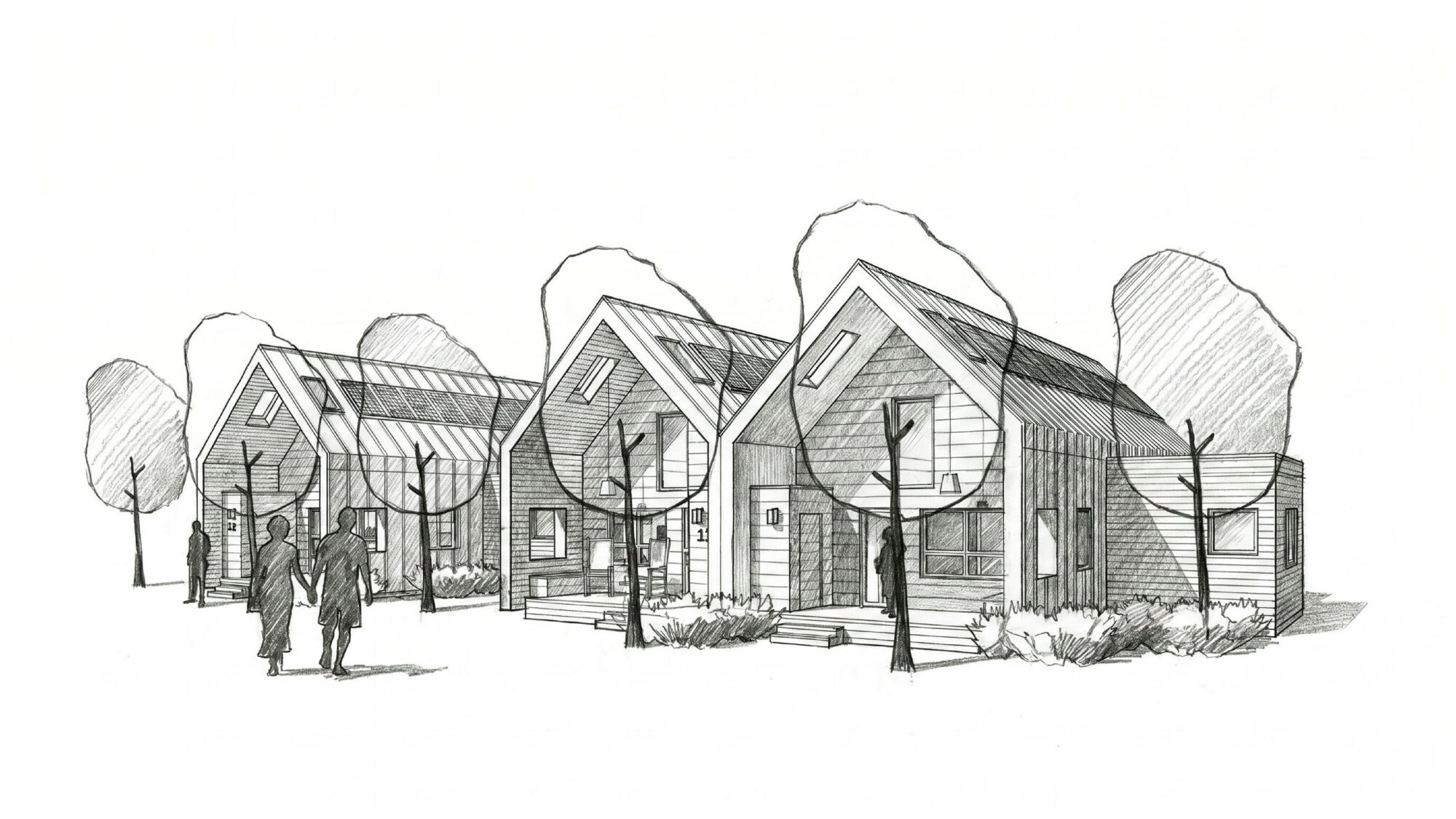
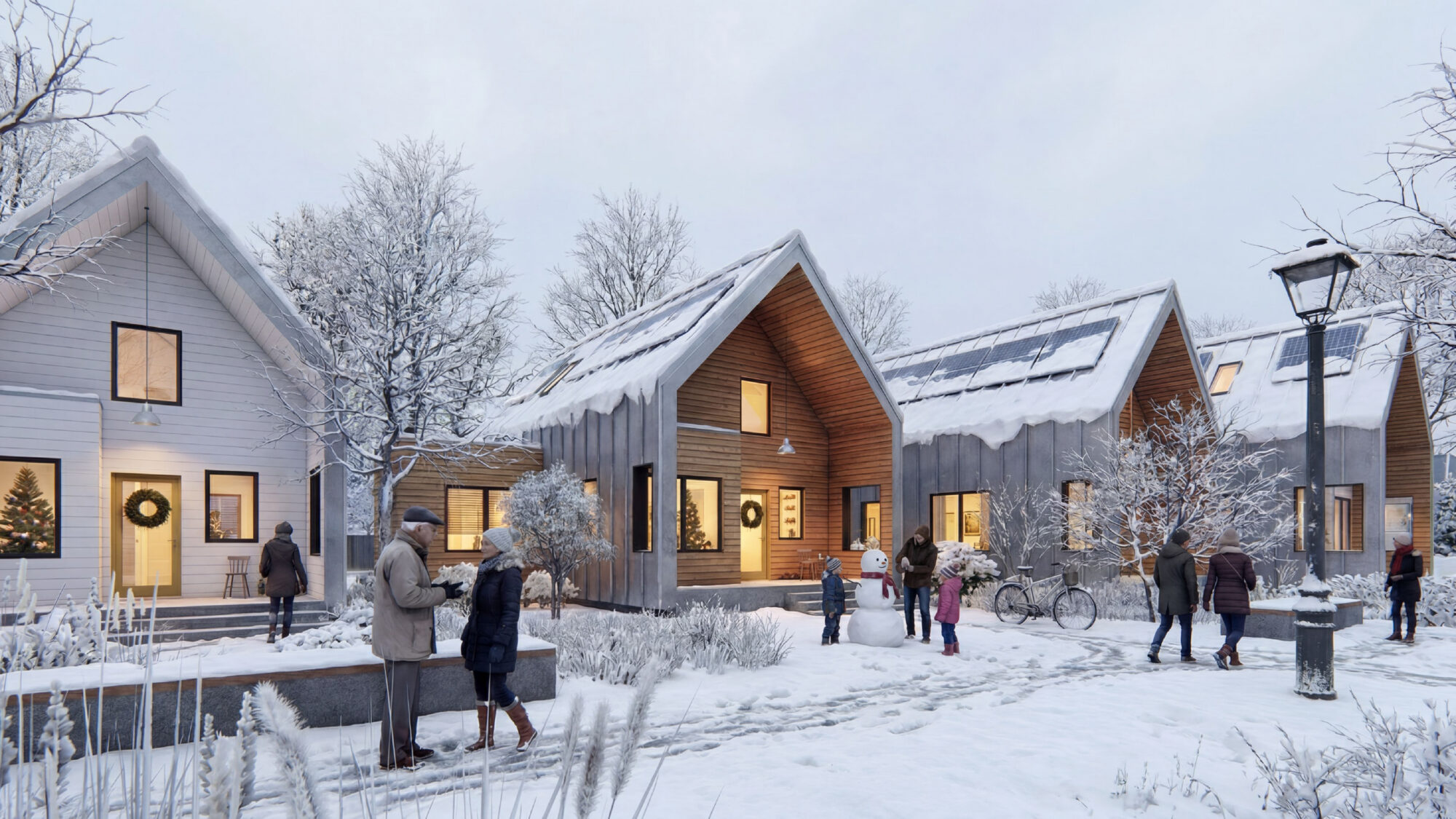
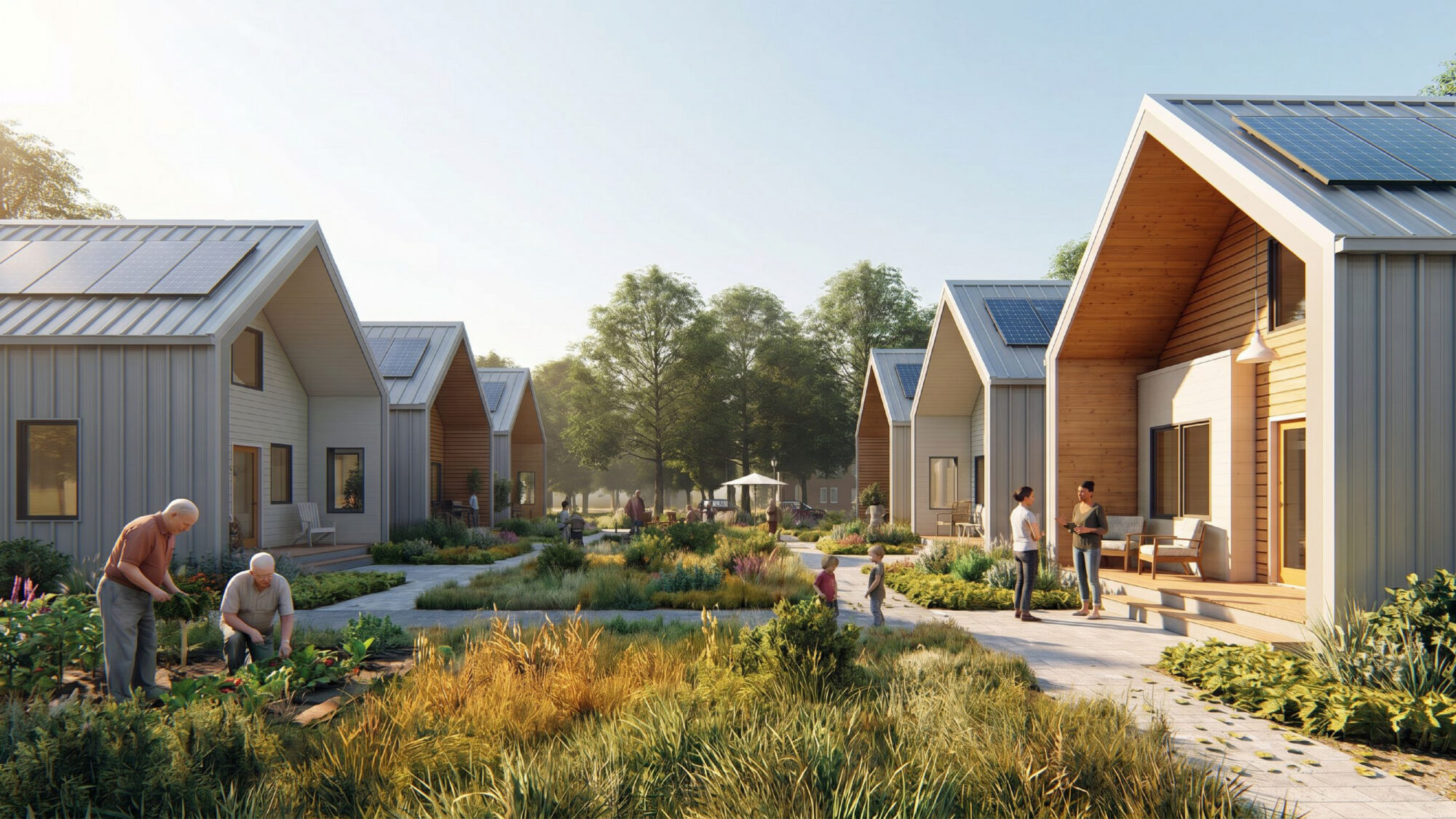
Infill is the fastest way to repair the American neighborhood—restoring housing diversity with more of the missing middle typologies, neighborhood vitality, and long-term value.
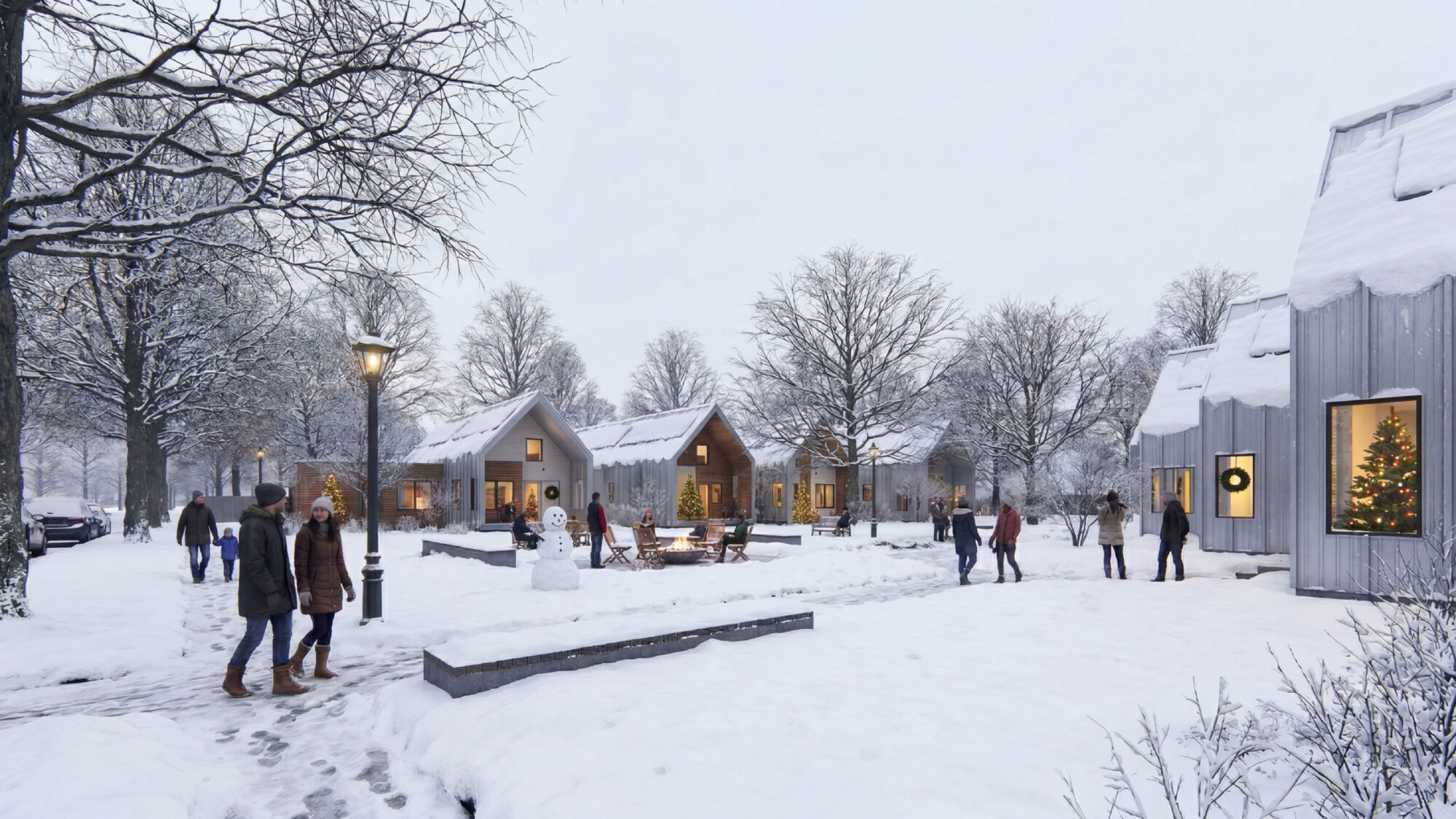
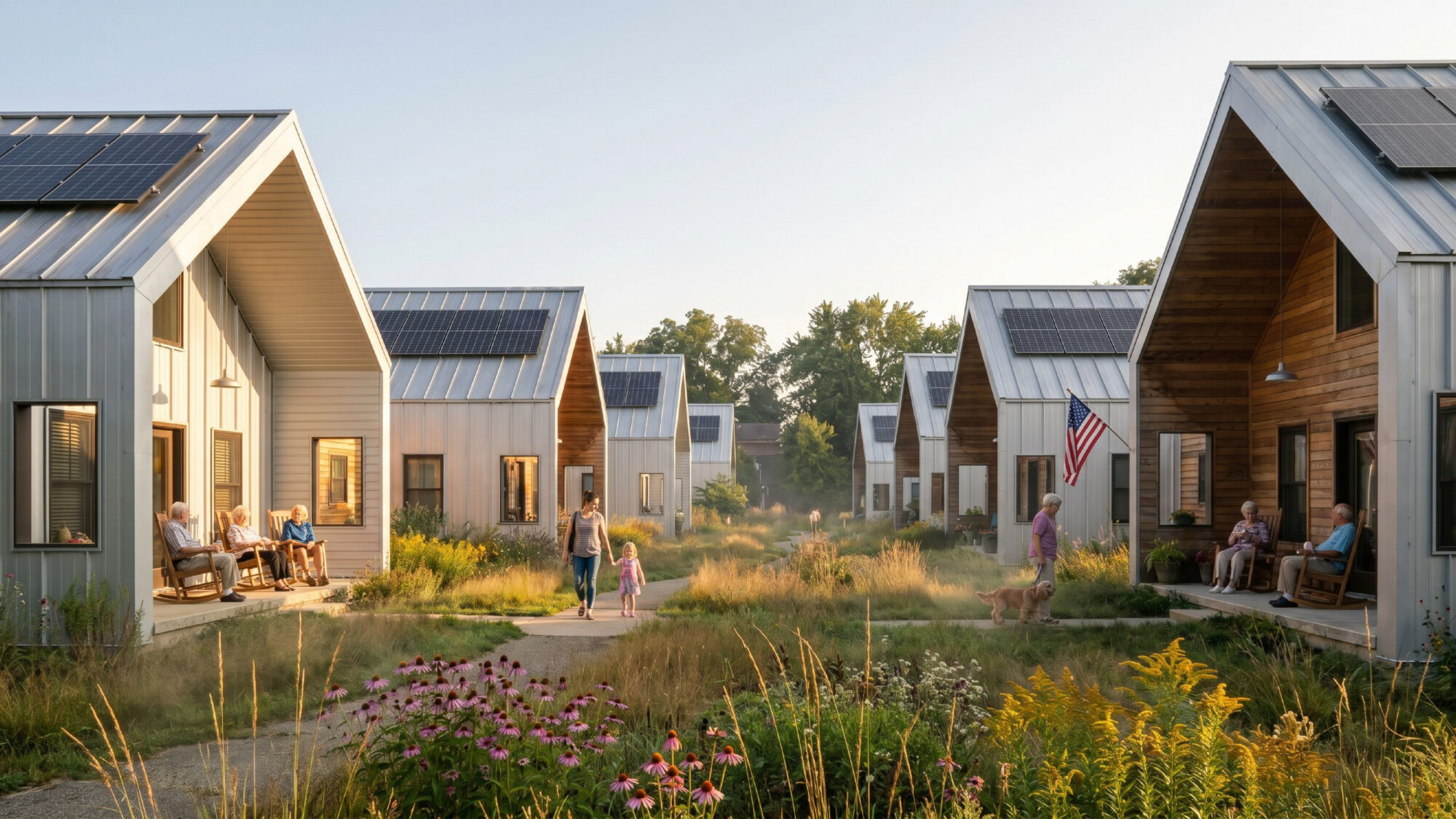
Residential Development With Long-Term Value Built In
Today’s most successful residential projects are not defined solely by density or amenities — but by identity, durability, wellness, and lasting market relevance.
We help developers create residential communities that:
- differentiate in competitive markets
- reduce long-term operational costs
- strengthen community identity
- improve resident wellness and retention
- and align climate resilience with asset value
From multifamily housing and mixed-use districts to regenerative resort communities and wellness-focused neighborhoods, we design places people want to belong to — and investors can believe in long term.


