Consulting
Our regenerative design services are grounded in a holistic, systems-based approach that seeks to restore and enhance ecological and human health through the built environment.
We offer a full suite of services, including biophilic design to reconnect people with nature; certification advisory for programs such as the Living Building Challenge, LEED, and WELL; advanced daylight and energy modeling to optimize performance and comfort; and strategies for achieving Net Zero Energy and Water. Our team also specializes in embodied carbon analysis, the selection of healthy, low-impact materials, and ecological site assessments to ensure that each project supports biodiversity and ecosystem vitality. Together, these services help create buildings and communities that are not only sustainable, but truly regenerative.
Guidelines and Standards
Jason F. McLennan is the founder and creator of the Living Building Challenge and is the world’s foremost expert in providing deep green design solutions that meet these stringent requirements. McLennan Design’s partners and associates have had key leadership roles in transformative, deep green projects all over the world including numerous net zero energy projects, LEED Platinum and Living Building Challenge projects. The Living Building Challenge is now used in over 36 countries – as is the Living Product and Living Community Challenge as well as the immensely influential materials Red List that has shaped the entire manufacturing sector. McLennan was also the primary author of the original WELL building standard dealing with issues of human health and well being in the built environment. He also authored the industry’s first zero carbon and net positive energy standards which provide a powerful basis for carbon roadmapping. You can find the result of this work here (ILFI) and (IWBI).

Biophilic Design
Biophilia is our innate love of life. It describes the human tendency to seek a connection with living systems. It is fundamental to our health and well being as members of the living world. Biophilic Design is an approach to design that is mindful of this need and deliberate about the quality of the connections. Biophilic design connects people to life by considering the full sensory experience. It draws from the unique cultural and ecological patterns of life in a place and is deliberate about how to participate with, enhance or improve them in the future.
Daylight and Energy Modeling
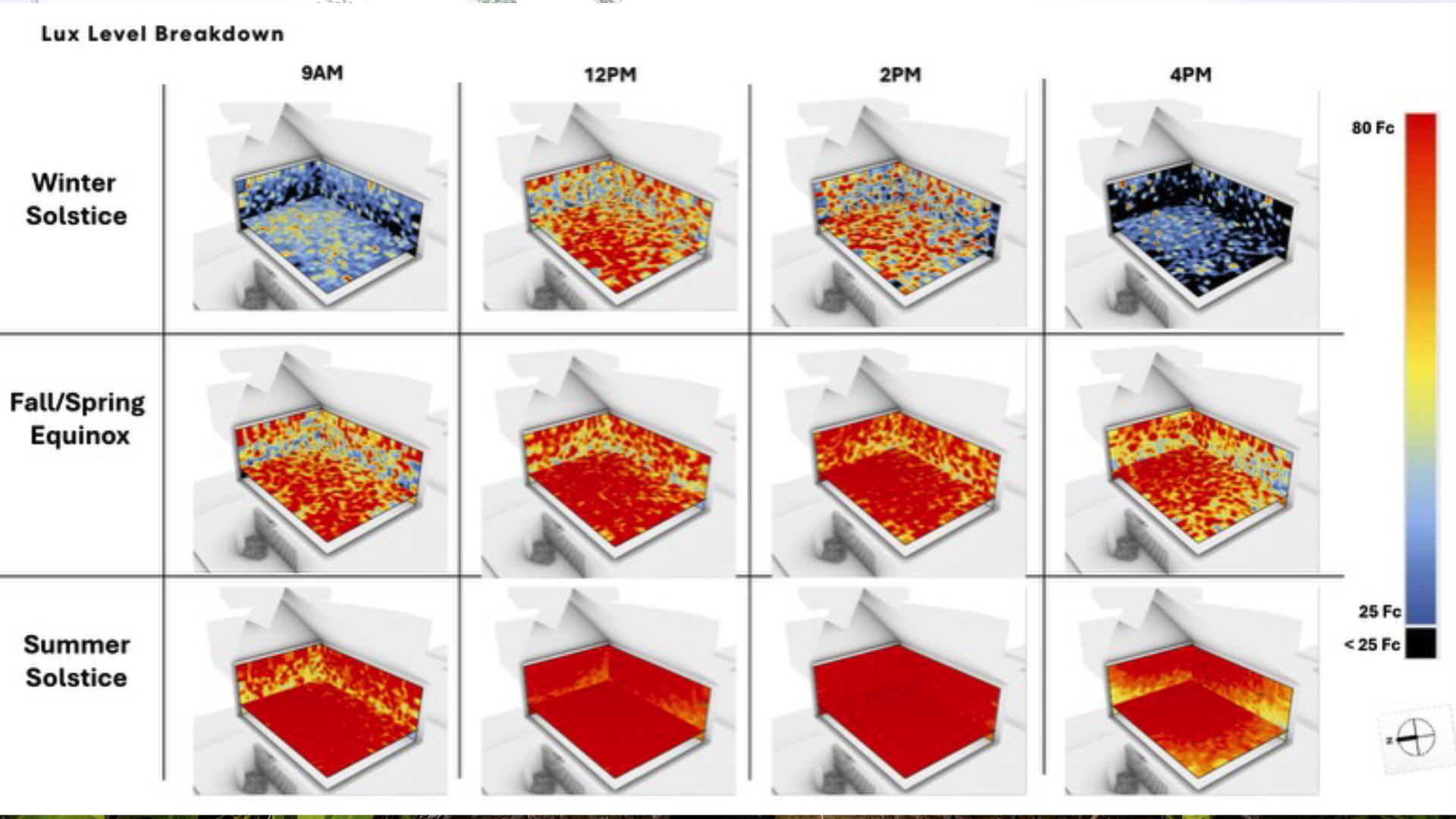
Daylight simulations play a crucial role in sustainable design architecture, profoundly impacting both energy efficiency and human health. By leveraging daylight as a primary lighting source, buildings can significantly reduce artificial lighting demands, leading to substantial energy savings and lower carbon footprints. Additionally, the use of natural light can enhance occupant comfort and productivity, as numerous studies have demonstrated a strong correlation between exposure to natural daylight and improved well-being, mood, and cognitive performance.
Embodied Carbon Analysis
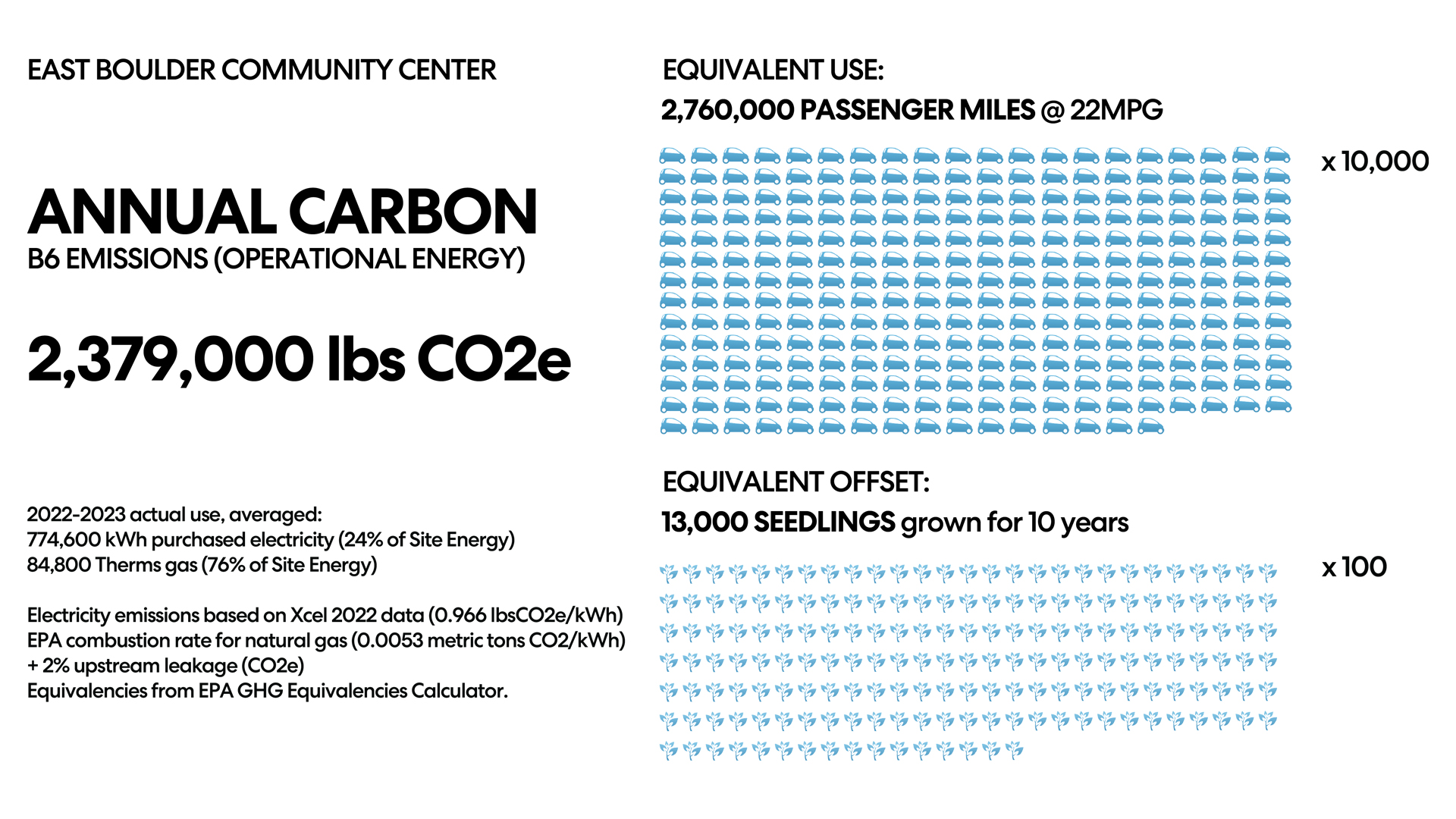
Our building science “Performance Team” provides in-depth Embodied Carbon services to help project teams understand and reduce the adverse climate impacts of building materials and construction. We guide teams in identifying embodied carbon hotspots in their projects, setting carbon reduction targets, and selecting lower-carbon design, assembly, and material alternatives—often prioritizing strategies like reuse, salvaging, design optimization, low-carbon material and product selection, and innovative product recommendation. Using tools such as TallyLCA and EC3 as needed, we assess life-cycle emissions of structural systems, envelope, and finishes—from extraction and manufacturing through construction and end-of-life. By integrating embodied carbon strategies early in design, we support meaningful progress toward decarbonization and regenerative design outcomes.
Net Zero – High Performance Design
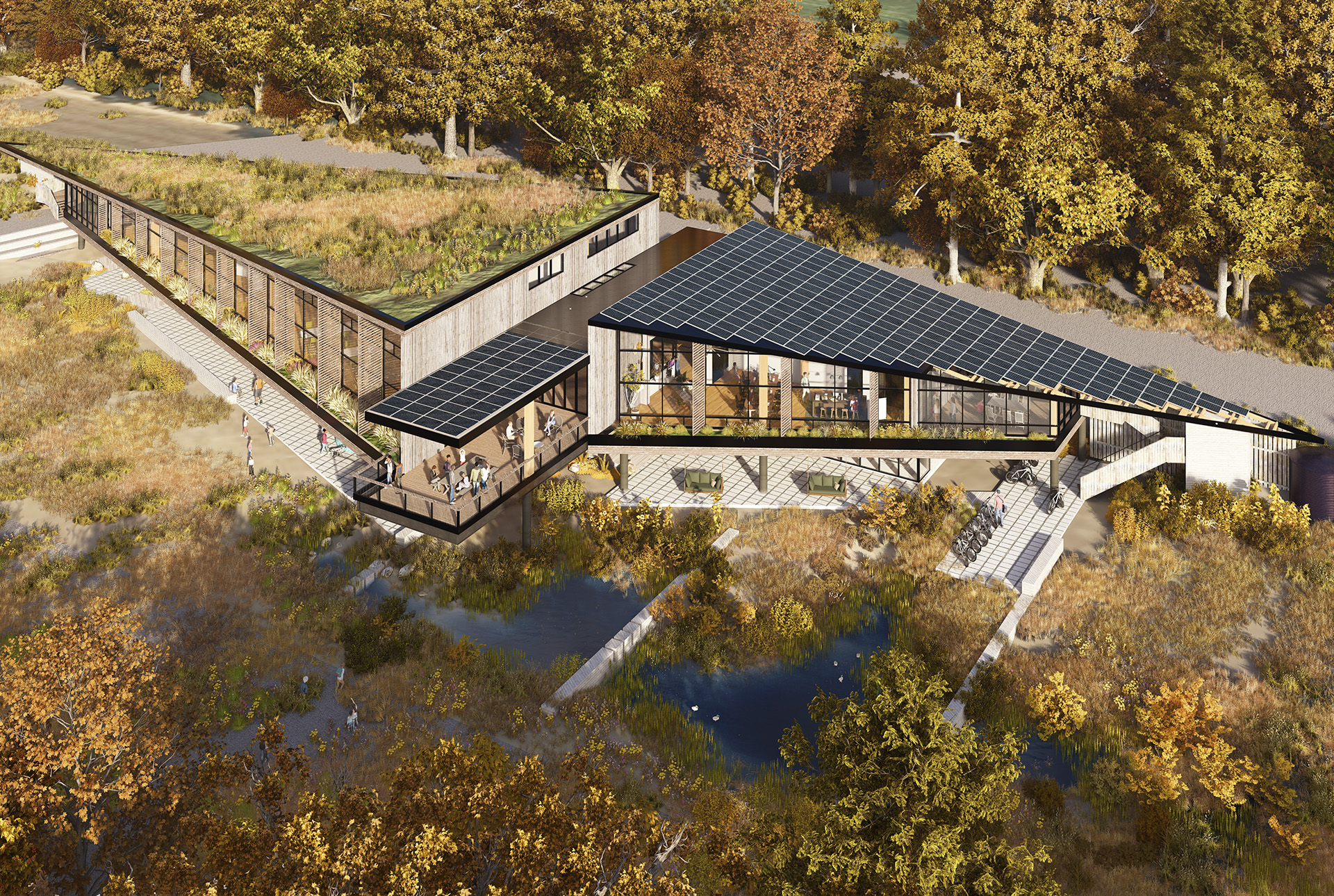
Our team has worked on more net zero energy projects than likely any firm in the industry, and we bring practical and pragmatic experience to our clients in order to achieve radically more efficient buildings, operating without fossil fuels and powered by the sun and wind. Working from net zero high performance building goals we explore how each site can harness its natural environment for optimal performance and impact
Ecological Analysis

Certification Advisory Services
Our in house specialists are authorities on the details and processes involved with the world’s leading certification programs from the USGBC, CAGBC, ILFI, IWBI, BRE and other institutions. Effective certification consulting relies on integrated and efficient work to establish intermittent milestones throughout the design and construction phases. Our team has deep experience with the intricacies of each rating system and can navigate the requirements efficiently. Our subject matter experts are not only fluent in the world’s rating systems, but we also work collaboratively with our in house building science expertise in energy modeling, embodied carbon modeling, and daylight modeling to produce world class results.
Responsible and Healthy Materials